Understanding the Core Differences
The wide variety of trailers available today often makes choosing one overwhelming. Trailers fall into two broad categories: those built for work-related tasks and those designed for lifestyle pursuits. The former prioritizes functionality—hauling gear, materials, or specialized equipment—while the latter emphasizes comfort and adaptability for recreational use. Identifying your primary goal simplifies the selection process.
Work-oriented trailers often feature open or semi-enclosed designs, prioritizing durability and ease of loading. They’re lightweight for fuel efficiency and optimized for short hauls. Lifestyle-focused models, conversely, incorporate enclosed spaces, climate control, and built-in systems for extended use. Both types rely on your vehicle’s towing capacity, but their structural designs and weight distributions vary widely.
Utility Trailers: Function Over Comfort
Utility trailers excel in practicality. Built with durable materials like steel or aluminum, they handle heavy loads without compromising maneuverability. Common uses include moving furniture, transporting landscaping gear, or carrying motorcycles.
Benefits of utility trailers include:
- Lightweight design reduces strain on your vehicle.
- Customizable racks or rails secure irregularly shaped items.
- Lower maintenance due to minimal mechanical components.
Check your vehicle’s towing capacity before purchasing. Overloading risks engine strain, brake wear, or even car accidents.
Cargo Trailers: Secure Hauling for Demanding Needs
Cargo trailers provide enclosed, weather-resistant storage for transporting goods, equipment, or valuables. Available in sizes ranging from compact 5-foot units to expansive 24-foot models, they prioritize durability and security for commercial or personal use.
Here are some factors to consider:
- Construction materials like galvanized steel or aluminum impact longevity and weight capacity.
- Payload limits must align with your vehicle’s towing capacity to avoid strain or safety risks.
- Accessibility features such as ramp doors or side entries streamline loading workflows.
- Customization options, including tie-downs, shelving, or ventilation, adapt the space to specific cargo types.
Travel Trailers: Mobility Meets Convenience
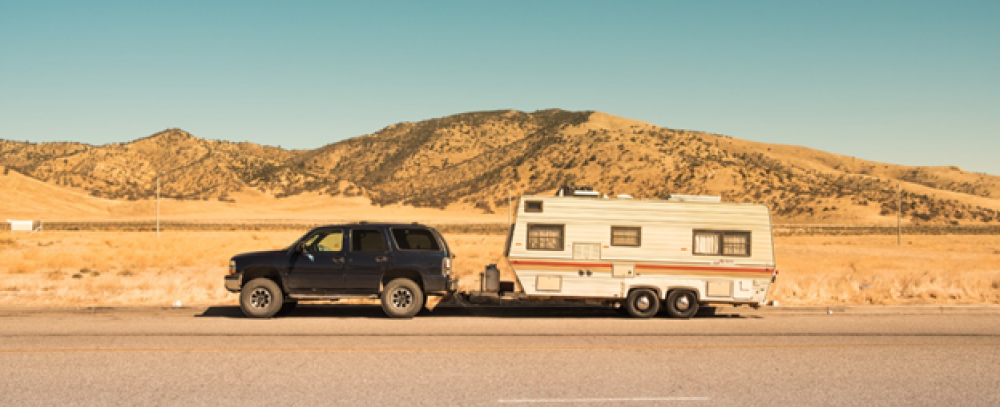
Travel trailers transform your vehicle into a mobile living space. Models range from compact teardrop trailers to larger units with bathrooms and dining areas. These prioritize comfort, insulation, and amenities for multi-day trips.
When choosing a travel trailer, consider the following:
- Weight distribution systems improve stability during long drives
- Power and water hookups require pre-planning at campsites.
- Storage space balances comfort with your vehicle’s towing limits.
Larger travel trailers often demand heavy-duty trucks or SUVs. Always verify your vehicle’s Gross Combination Weight Rating (GCWR) to ensure safe operation.
Towing Equipment and Safety
The right hitch matters. A Class I hitch fits compact cars, while a Class IV or V is meant for heavier loads. Your hitch should match the weight of the trailer you plan to pull. Don’t forget brake controllers for larger trailers—these help distribute stopping power and improve control.
Good towing starts with solid car maintenance. Check your lights, signals, and brake systems before every trip. Load the trailer evenly and secure everything to prevent shifting while on the road. Uneven weight can lead to sway, which affects handling and increases accident risk.
Consider How You’ll Use It
If you need a trailer for occasional weekend projects, a simple utility trailer may be enough. If you’re a tradesperson or contractor moving gear daily, an enclosed cargo trailer offers better protection and organization. For extended trips or off-grid camping, a travel trailer makes sense—if your vehicle can support it.
Use frequency also plays a role. Daily haulers benefit from low-maintenance, fuel-efficient options. If you're storing the trailer long-term, think about size and where you'll keep it. Some neighborhoods restrict trailer parking on driveways or streets.
Match the Trailer to Your Driving Habits
Driving with a trailer changes everything—turning radius, braking distance, lane changes, and parking all require extra awareness. If you're used to city driving or tight roads, smaller trailers offer more flexibility. On highways or long open stretches, larger travel trailers won’t feel as cumbersome once you adjust to the extra length and weight.
Final Considerations
Prioritize your primary need: hauling efficiency or travel comfort. Test-drive trailers to gauge handling, and consult professionals for hitch installation. The right trailer enhances your vehicle’s versatility without compromising safety or performance.
By aligning your choice with practical demands and vehicle limits, you’ll find a trailer that complements your lifestyle seamlessly.


