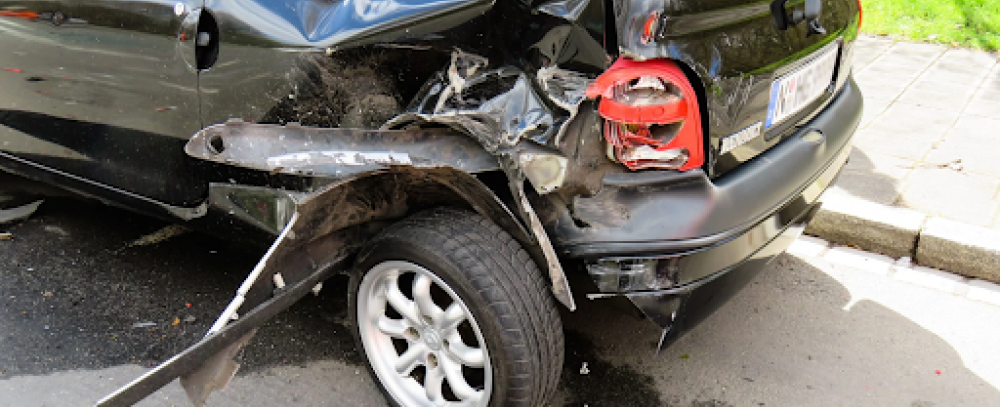
When your car is declared a write-off, the emotional and financial toll can be substantial. The last thing you want is to discover later that the settlement you received was less than fair. Insurance companies process thousands of claims, but that doesn’t mean every one of them gets evaluated with the attention it deserves. Many policyholders walk away from a vehicle write-off believing the payout is final, only to later question whether it truly covered their loss.
Understanding your rights, how claims are calculated, and what red flags to look for can help you avoid the trap of being undersettled. Taking a proactive approach could mean the difference between getting short-changed and receiving a payout that actually reflects your car’s true market value.
The Basics of a Vehicle Write-Off
A vehicle is classified as a write-off when the cost of repairing it exceeds the current value or when it is deemed unsafe for future use. This decision is usually made by the insurance adjuster after assessing the extent of damage. Once a write-off is declared, the insurer offers a settlement based on the market value of your vehicle before the accident occurred.
That figure can vary depending on many factors, such as mileage, condition, service history, and regional demand. Yet many vehicle owners assume the insurer’s valuation is final and unchangeable. The reality is more complex.
Why Some Claims Get Undersettled
Undersettlement occurs when the insurer pays less than what the car was reasonably worth at the time of the loss. This can happen due to reliance on outdated or generic pricing tools, failure to consider upgrades or accessories, or overlooking current market fluctuations.
For example, if your car had low mileage, a new transmission, or other recent improvements, these may not be factored in unless you specifically present the documentation. Similarly, in times of high used car demand, such as during supply chain shortages, market prices can climb quickly, leaving automated assessments lagging behind.
Reclaiming Fair Compensation
Many drivers are unaware that they can challenge a write-off decision long after the fact. If you've accepted a payout but later discover your car was undervalued, there may still be recourse. Independent advisors or legal professionals can review your case and determine if further action is justified.
If you've accepted a payout but later discover your car was undervalued, there may still be recourse. Thousands of people each year revisit their vehicle write off claims after realizing they were undersettled. Taking a second look at your settlement may be the right move if you feel shortchanged.
Document Everything to Protect Your Position
Keeping accurate and up-to-date records is one of the most effective ways to support a fair claim. This includes maintenance records, photos of the vehicle before the incident, receipts for modifications, and mileage logs. The more documentation you have, the stronger your position if you need to challenge a valuation.
When a car is written off, emotions can run high, and paperwork can be easy to overlook. But gathering this information early allows you to respond quickly if your insurer comes back with an offer that feels too low.
Seek a Second Opinion
If the settlement doesn’t seem right, you don’t have to accept it at face value. Consider getting an independent vehicle valuation. These services often provide a more detailed and regionally accurate estimate of your vehicle’s value than insurer-generated reports. You can then present this new valuation as a rebuttal to your insurance company.
Insurers are open to negotiation in some cases when presented with compelling evidence. If they continue to resist, escalating the matter through formal dispute resolution channels may be necessary.
Pay Attention to the Policy Fine Print
Not all insurance policies are the same. Some include new-for-old replacement within a limited timeframe for newer cars, while others may cover agreed value instead of market value. Review your policy to understand what you are entitled to, especially if your car was recently purchased or is under finance.
This step also helps prevent surprises, such as finding out you were charged an excess you didn’t expect or that certain add-ons weren’t covered. The details in your policy could influence the final payout significantly.
Watch for Communication Gaps
One of the most overlooked reasons for dissatisfaction in write-off settlements is poor communication. If the insurer hasn’t clearly explained how they arrived at their offer, you’re well within your rights to ask for a breakdown. Clear, documented communication helps protect you from unexpected deductions or oversights.
That’s especially true if you feel your concerns are being brushed aside. A slow response time or vague explanations might indicate that more scrutiny is warranted.
Vehicle write-off claims can be tricky, especially when emotions and urgency cloud judgment. But rushing through the process or blindly trusting the initial assessment can cost you. By understanding how valuations work, documenting your car’s condition and value, and asking the right questions, you put yourself in a better position to receive a fair settlement. Taking the time to evaluate your options and question discrepancies may lead to a stronger financial outcome and greater peace of mind in the aftermath of a stressful event.


