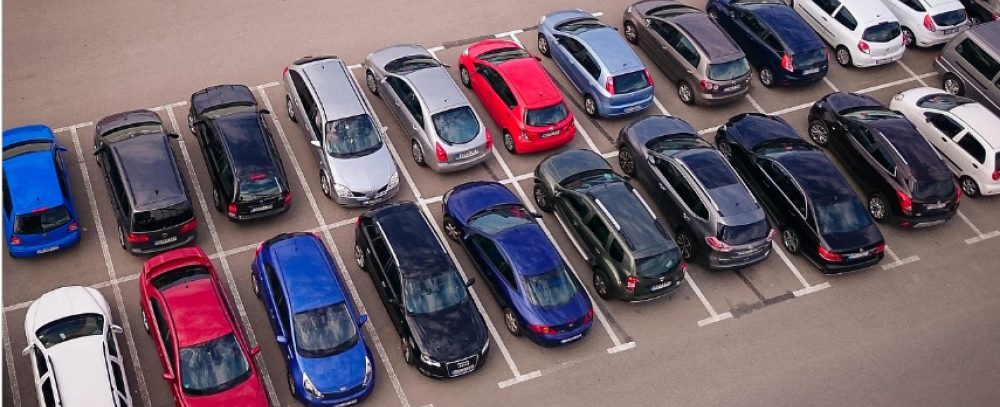
Why does your car keep not fitting into that parking space?
Don't stress… it's not just you.
Cars, SUVs and trucks are steadily increasing in size.
If you've been finding it hard to park lately or thought traffic seemed extra cramped last year, you're not imagining things.
The Issue
Cars are getting 1cm wider every 2 years from research conducted by Transport & Environment. Doesn't sound too much right?
But from 2013 to 2023, average vehicle size increased by 12% in length and 17% in width according to a report by Finn. We're talking close to two feet longer and about a foot wider on average for the average vehicle sold today compared to just 10 years ago.
Let's face it…
Understanding how vehicles compare when it comes to size, dimensions and cargo capabilities is more important now than it's ever been. If you're shopping for a new vehicle, trying to sort out the parking puzzle or just want to know why the roads seem extra packed, it's worth understanding just how much different vehicles vary in size, length and width.
A good car dimension comparison tool is essential to compare differences and help you make informed decisions before pulling the trigger.
Here's what you'll learn:
- Why vehicles are getting bigger (surprisingly)
- How all different types of vehicles really compare
- What it means for you in real life
- Clever ways to deal with the differences
Why Vehicles Keep Getting Bigger
You've got to wonder…
Ever see that commercial where the dad loads all that junk in the back of the truck with just a smile and swagger? Kind of makes you want one of those beasts, right?
It's a feeling that marketers know well. But the supersized vehicle trend didn't just happen overnight. There are 3 main reasons that car, SUV and truck size keeps expanding.
Profit margins between small and large cars have closed. It's no longer as much more expensive to build bigger vehicles so manufacturers are doing just that.
Modern safety features take up more room. From airbags to crumple zones, to sensors and cameras. All that safety equipment needs space so vehicle designers have to make bigger to accommodate the technology.
And don't forget about the consumer preferences. Modern buyers want more space, more comfort and the safety confidence that comes with riding around in a box. Clever ad campaigns and marketing play have really convinced the average consumer that bigger is better, and the sales figures bear that out.
The bottom line…
Today, SUVs and crossovers alone make up almost 50% of the US passenger vehicle market share. A complete flip from where things were just 10 years ago when sedans were king.
See the numbers in real life:
Let's Look At How Vehicle Types Compare
We break down the stats and sizes below so you can see exactly how vehicles really stack up.
Compact Car
Average dimensions: 13-15′ long x 5.2-5.8′ wide x 4.5-5′ tall
Compact cars such as the Chevrolet Spark which happens to be the narrowest vehicle on the market at just 5.2′ wide) are typically designed for city driving and cramped parking spaces. These are cars designed to seat 4-5 passengers with 100-109 cubic feet of available passenger and cargo space.
Suitable for: Urban driving/city roads, narrow or tight parking, fuel economy, best for city streets.
Midsize Vehicle
Average dimensions: 14-16′ long x 6′ wide x 5.6′ tall
The best of both worlds for many drivers. Midsize cars and SUVs offer a nice balance between passenger space and maneuverability in a single vehicle. Midsize cars and SUVs typically seat 5-7 passengers with around 110-120 cubic feet of available passenger and cargo space.
Suitable for: Family cars, daily commuting, a mix of needs.
Full-Size Vehicle
Average dimensions: 16-18′ long x 6+′ wide x 4.7′ tall
The big boys. Full-size cars and SUVs are designed to prioritize passenger comfort and cargo space, with even higher passenger volume for those looking for 9 passenger seating or extra long beds in the case of trucks.
Full-size cars and SUVs offer 120-160 cubic feet of available passenger and cargo space.
Suitable for: Large families, long road trips and anyone who wants the most comfort possible.
SUVs and Crossovers
Average dimensions: 15-17′ long x 6-7′ wide x 4.9-5.5′ tall
The most popular category. Compact SUVs start around 15 feet in length. Full-size SUVs and Crossovers come in at over 17 feet long on average.
Suitable for: Versatility, cargo needs and feeling like you're safe as can be while driving.
Pickup Trucks
Average dimensions: 16-22+′ long x 6-8.7′ wide x variable height
The largest of the species. Some heavy-duty pickup trucks with dual rear wheels, like the Ram 3500, come in at an absolutely staggering 8.7 feet wide without even including mirror width. That's wider than some parking spaces!
Suitable for: Work needs, towing and max-capacity users.
Get The Specifics on Your Vehicle Dimensions
Remember that buying a new vehicle and all those associated costs is a big deal.
Even if you have a vehicle that's paid off. So it's worth taking the time to do your research before you head out to the dealership or send an online order in.
Make sure you know exact dimensions of vehicles you're looking at before you buy.
At Vehiclesizes.com you'll find all the car dimensions you could need in one place. Free, no registration required, and updated continuously for accuracy.
Measure Twice, Buy Once.
Get the numbers for your home parking and daily travel spaces before you buy. Nothing worse than a "nice" vehicle that won't fit into your garage.
Compare, Compare, Compare.
A lot of us have already got to a place where we have an "office" vehicle, a "vacation" vehicle and "daily use" vehicle. Make your decisions on facts. Choose the right size and dimension car for the right role in your life.
Navigating The Size Explosion
Dealing with the size explosion on a daily basis? These tips can help:
Measure, measure, measure.
Know your own home garage parking dimensions as well as your local regular parking areas where you most often drive. Use tools like Google maps and Google street view to get dimensions beforehand.
Parking technologies.
Backup cameras, parking sensors, and other technologies like blind-spot monitors and traffic alerts are your friend in busy parking areas. Take full advantage if you've got them.
Plan.
Plan ahead, especially in unfamiliar urban areas. Map out your parking options before you head to your destination, not just at the dealer lot.
Safety First
If you drive a larger vehicle, pay close attention to blind spots, stopping distances and making sure you're as visible as possible to pedestrians, cyclists and smaller cars. If you drive a smaller vehicle, always stay aware and alert when behind or near large SUVs and trucks. Pay attention to vehicle dimensions in action.
Talk to city planners, governments and local councilors about the need for more updated parking infrastructure and road dimensions. Things need to change. Advocate for improvements and reforms that make the roads safer for everyone.
Wrapping It Up
The vehicle size comparison game has changed rapidly in the past 10 years. Cars, trucks and SUVs are supersized, parking spaces are smaller and this has a rippling effect on the rest of our daily lives.
Understanding the vehicle size differences of today is the first step to making smart decisions when you're looking for a vehicle to buy or lease. And being more equipped to deal with the modern world of oversized cars when it comes to parking and driving.
Don't fall victim to size shock. Do your research and arm yourself with the knowledge you need to be in the driver's seat when you're making vehicle decisions.
Size really does matter now more than ever. But bigger isn't always better or right for your life, your parking spaces and your everyday driving situations.
The next time you start the process of buying or looking for a new vehicle, keep the numbers in mind. Finding the right vehicle is all about finding a size that fits your life…not just a box that will carry your stuff.


