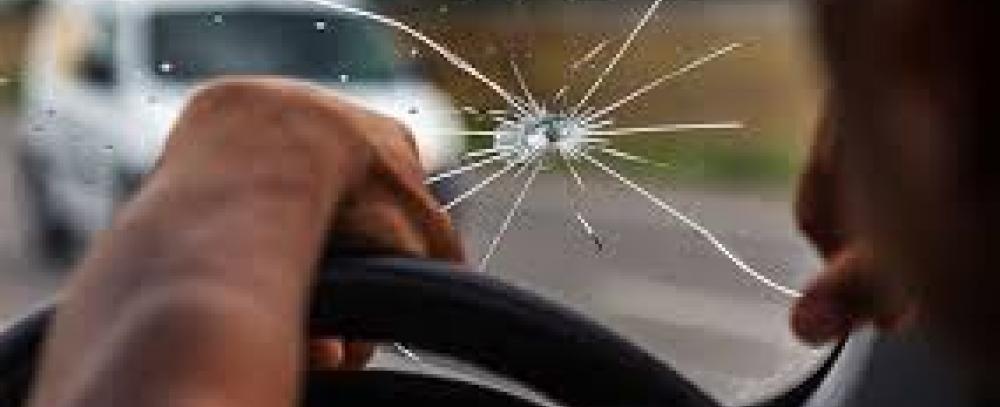
Planning a road trip across Western Australia? You're in for an adventure. But before you hit the open road, there's one thing you need to think about that doesn't usually make it onto those glossy travel checklists: what happens when a stone hits your windscreen at 110 km/h? It's not a matter of if, but when. And knowing how to respond can save you money, keep you legal, and most importantly, keep you safe.
Pre-Trip Preparation: More Than Just Packing Snacks
Getting your vehicle ready for a long road trip means looking beyond the obvious stuff. Sure, check your oil and top up the washer fluid. But take a proper look at your windscreen before you leave. Run your hand across it. Look for any existing chips or small cracks that might not seem like a big deal now but could spread across your entire windscreen once you're dealing with WA's temperature extremes.
Here's what you actually need to check:
- Existing windscreen chips (even tiny ones)
- Wiper blade condition (they wear fast on dusty roads)
- Tyre pressure and tread depth
- All fluid levels, especially coolant
- Spare tyre and jack (and know how to use them)
- Emergency kit with water, first aid supplies, and a torch
- Your insurance details and roadside assistance membership
Consider getting professional stone chip repair done before you leave Perth. It typically costs between $80 and $150, and many comprehensive insurance policies cover it with zero excess. That small investment now could prevent a $500+ windscreen replacement later.
And don't forget the basics that matter more in regional WA than you might think: extra water (for you and the car), a detailed road atlas for when your phone has no signal, and cash for those places that still don't take cards.
What to Do When Your Windscreen Gets Hit
You're cruising along, maybe somewhere between Geraldton and Carnarvon, when you hear that unmistakable crack. A stone, probably kicked up by a road train, has just made contact with your windscreen. Your stomach drops a bit. Now what?
First, don't panic. Pull over safely when you can and assess the damage. Look at the size, location, and type of damage. A small chip away from your direct line of sight is different from a crack spreading across the driver's side.
Here's your immediate action plan:
- Stop safely and turn off the engine
- Take photos of the damage from multiple angles
- Note the location (you'll need this for insurance and service calls)
- Check if it's in your line of sight when driving
- Look for any structural damage around the windscreen frame
If you've got clear packing tape in your emergency kit, you can place it over a small chip to prevent dirt getting in and to reduce wind pressure on the damaged area. It's not a fix, just a temporary measure until you can get proper repairs.
Can You Keep Driving with a Cracked Windscreen?
This is where things get tricky. Legally speaking, you can't drive with windscreen damage that obstructs your view or compromises the structural integrity of your vehicle. The WA Road Traffic Code is pretty clear about this. Police can issue on-the-spot fines and defect notices if they determine your windscreen is unsafe.
But what does that actually mean in practice?
A small chip (think smaller than a $2 coin) that's not in your direct line of sight? You can probably continue driving carefully to the nearest town with repair services. A crack that's spreading, anything causing double vision or distortion, or damage right in front of the driver? You need to stop driving.
Your windscreen isn't just about seeing where you're going. It contributes about 30% of your vehicle's structural rigidity in a rollover situation. A compromised windscreen can also reduce airbag effectiveness by up to 50%. These aren't small numbers.
If you're unsure, err on the side of caution. It's not worth the risk to you, your passengers, or other road users. And your insurance might not cover you if you're deemed to be driving an unroadworthy vehicle.
When You Need to Call a Towing Service
Sometimes, continuing to drive isn't an option. Knowing when to call for a car towing service can save you from making a bad situation worse.
You definitely need a car tow if:
- The crack is in your direct line of sight and spreading
- You're experiencing double vision through the damaged area
- There's structural damage around the windscreen frame
- Your vehicle has advanced driver assistance systems (ADAS) that are now throwing up warning lights
- You're in a remote area with no nearby repair services
In Perth metro, you're usually looking at 30 to 60 minutes for a tow truck to arrive. Regional areas? That can stretch to 2 to 4 hours depending on where you are. The cost typically runs $150 to $200 as a base fee, plus $3 to $5 per kilometre.
Keep the numbers for towing services in Perth and regional areas in your phone, and check your insurance policy or roadside assistance membership before you travel. Many cover towing, though it's often limited to 100 kilometres. Know what you're covered for before you need it.
Getting Your Windscreen Repaired: What You Need to Know
Once you're somewhere with services, you've got two options: repair or replacement. The good news is that most chips can be repaired if you catch them early. The bad news is that if you've been driving around with that chip for weeks, it's probably turned into a crack that needs a full replacement.
Mobile windscreen services operate throughout Perth metro, and most major regional towns (Geraldton, Kalgoorlie, Albany, Bunbury) have local autoglass specialists. Smaller centres might need parts shipped from Perth, which can mean a 2 to 5 day wait. Some insurance policies will cover accommodation costs while you're waiting, so it's worth checking.
For straightforward repairs, you're looking at same-day service in most cases. Replacements usually need 24 to 48 hours, particularly if specialist glass needs to be ordered for your specific vehicle.
And here's something many people don't realise: if your car has cameras or sensors mounted near the windscreen (for things like lane departure warnings or automatic emergency braking), those systems need to be recalibrated after a windscreen replacement. That's an additional $200 to $500, and it's not always included in standard glass cover. Ask before the work starts.
The Real Cost of Ignoring Windscreen Damage
Let's talk numbers for a moment. Getting a chip repaired early costs $80 to $150. Wait until it becomes a crack requiring full replacement? You're looking at $300 to $1,500 depending on your vehicle. Add ADAS recalibration for modern cars, and you can add another $200 to $500.
About 60% of unrepaired chips eventually turn into cracks that need replacement. The average delay between getting a chip and actually getting it repaired is 3 to 4 weeks. During that time, the risk of the chip spreading increases by about 70%.
Most comprehensive insurance policies include glass cover with reduced excess (often $0 to $100 for chip repairs). Many insurers actively encourage early chip repair by offering zero excess specifically for this. And here's the good part: these claims typically don't affect your no-claim bonus.
So when you get that chip, get it sorted. Don't wait. Don't tell yourself you'll do it next week. Find a reputable service that offers professional stone chip repair and get it done. Your wallet will thank you.
When You Need an Autobody Specialist
Most windscreen damage is straightforward. But sometimes, you need more than just a standard autoglass specialist. If you're driving a European or prestige vehicle, the requirements can be quite different.
These vehicles often need Original Equipment Manufacturer (OEM) glass rather than aftermarket alternatives. The tolerances are tighter, the adhesives are specific, and the installation process requires factory-trained technicians. For cars with features like heads-up displays, rain sensors, or heating elements in the windscreen, using the wrong glass or incorrect installation procedures can void warranties and compromise functionality.
If you've got a Mercedes, BMW, Audi, or similar vehicle, you might need to go to Perth's Mercedes autobody specialists or equivalent marque-specific repairers. Yes, it costs more. But it's the difference between a proper repair and potential ongoing problems with your vehicle's advanced systems.
Preventing Windscreen Damage on Your Road Trip
Prevention is always better than dealing with repairs halfway through your holiday. While you can't completely eliminate the risk of stone chips on WA roads, you can significantly reduce it.
Following distance is everything. On sealed roads, maintain at least a 3 second gap from the vehicle in front. Behind trucks, make that 4 seconds or more. On unsealed roads, drop back to 10 seconds or more. This gives stones time to fall back to the road surface rather than bouncing up into your windscreen.
When you encounter road trains (and you will, especially on northern routes), stay well back. Don't sit in their spray zone. Either drop right back until you have a safe overtaking opportunity with at least a kilometre of clear visibility, or if you can't overtake safely, just accept that you'll be going slower for a while.
Timing matters too. Travelling between noon and 3pm means you're dealing with peak heat. Roads expand, stones bounce higher, and thermal stress on your windscreen increases. Early morning departures give you cooler conditions, better wildlife visibility, and generally calmer conditions. Plus, you'll prioritise sleep on a long-distance drive by not pushing through the hottest part of the day.
Be Prepared, Stay Safe
Road trips across Western Australia are incredible experiences. The distances, the landscapes, the sense of adventure. But those same vast distances and remote conditions mean you need to be properly prepared. Your windscreen is a critical safety component, not just a piece of glass.
Before you leave, check your vehicle thoroughly. Know what your insurance covers. Have a plan for what you'll do if damage occurs. Keep the numbers for towing services in Perth and regional areas in your phone. Pack that emergency kit with the boring stuff you hope you'll never need.
And when something does happen (because on WA roads, it probably will at some point), respond appropriately. Don't take risks with your safety or legality. Get professional help when you need it. Make informed decisions about whether you can continue driving or need to call for assistance.
The open road is waiting. Just make sure you're ready for whatever it throws at you. Literally.
Frequently Asked Questions
Can I drive with a cracked windscreen in Western Australia?
It depends on the severity and location of the crack. Small chips away from your direct line of sight may allow you to continue driving carefully to the nearest repair service. However, cracks in your line of sight, anything causing vision distortion, or damage compromising structural integrity means you should stop driving.
WA police can issue fines and defect notices for unsafe windscreens, and your insurance may not cover you if you're driving an unroadworthy vehicle.
What should I do immediately after my windscreen gets a stone chip?
Pull over safely when possible and assess the damage. Take photos from multiple angles, note your location, and check if the chip is in your line of sight. If you have clear packing tape, place it over the chip temporarily to keep dirt out.
Contact your insurance company and arrange for professional repair as soon as possible. Most chips can be repaired if addressed quickly, preventing the need for costly full replacement.
Do I need to call a tow car service for windscreen damage?
Not always, but there are specific situations where towing is necessary. Call for a car tow if the crack is spreading rapidly in your line of sight, you're experiencing double vision, there's structural damage around the windscreen frame, or your vehicle's safety systems are malfunctioning.
In remote areas with no nearby repair services, towing to the nearest town with facilities may be your safest option.
What should I prepare for a long road trip in Western Australia?
Beyond standard checks (oil, tyres, fluids), inspect your windscreen for existing chips, ensure your wiper blades are in good condition, and verify your insurance includes windscreen cover.
Pack extra water, a detailed road atlas, emergency supplies, and cash. Check your roadside assistance membership covers regional WA, and know the locations of service towns along your route. Consider getting any existing windscreen chips repaired before departure.
When do I need a specialist autobody repairer for windscreen replacement?
European and prestige vehicles often require specialist repairers who use Original Equipment Manufacturer (OEM) glass and manufacturer-approved adhesives. If your vehicle has advanced features like heads-up displays, rain sensors, or integrated heating elements, specialist knowledge is essential.
Modern vehicles with Advanced Driver Assistance Systems (ADAS) also need proper recalibration after windscreen replacement, which requires specific equipment and training.
How much does windscreen repair cost compared to replacement?
Stone chip repair typically costs $80 to $150 and is often covered by comprehensive insurance with zero excess. Full windscreen replacement ranges from $300 to $1,500 depending on your vehicle make and model.
Early chip repair can save you up to 90% compared to delayed replacement, making it worthwhile to address damage immediately.


