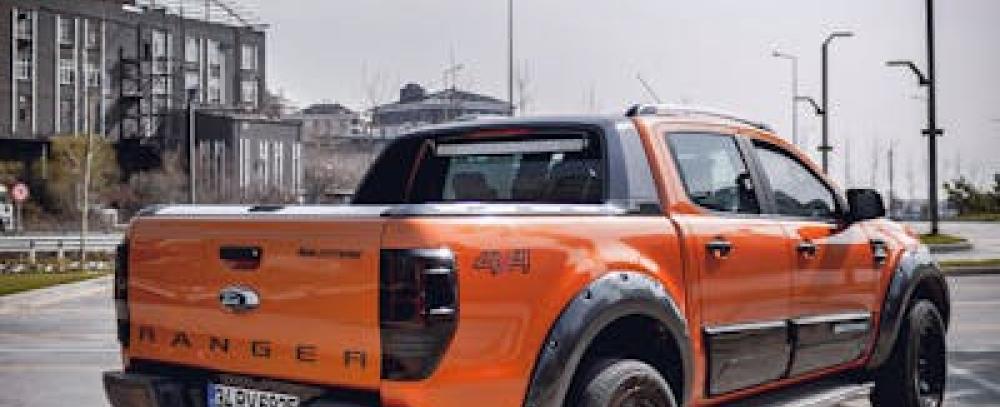
The Ford Ranger is not the kind of truck that needs to pretend. It is useful, capable and still manageable enough for daily driving. That is what makes it interesting for owners who want to upgrade it. The best changes are not about turning it into a show truck, but about making it work better for real use. Here at Breakeryard, we love everything about functional parts for cars, so let’s dive in!
Practical pickup use
The Ford Ranger sits in a useful middle ground. It is more compact than a full-size pickup, but still offers enough capability for towing, hauling and outdoor use. That makes it appealing for drivers who want one vehicle that can handle work, family life and weekend trips.
That practicality should guide the way the truck is modified. For many owners, the first upgrades are not engine-related. They are parts that make the Ranger easier to use, better protected or more suitable for the way it is driven.
AutoWeb notes that the redesigned Ranger keeps a strong focus on comfort, function and capability, with useful payload and towing figures for a midsize truck. That fits the way most owners use it: not as a pure performance vehicle, but as a practical truck with room for improvement.
Everyday upgrades
A good Ranger build often starts with simple changes. Bed protection, storage solutions, lighting, floor mats, steps and exterior protection can make a bigger difference in daily use than more dramatic modifications.
Many owners look at Ford Ranger accessories and upgrades to make the truck more practical for daily use, off-road driving or work-related setups.
These upgrades make sense because they support the truck’s natural purpose. The Ranger is built to be used, so the best additions usually make it more convenient, more durable or more comfortable.
Work and utility
For work-related use, the most valuable upgrades are often the least flashy. A bed liner, tonneau cover, tie-down system or extra lighting can make the truck easier to live with every day. These parts help protect the vehicle while also making the load area more practical.
Common upgrade areas include:
- bed protection and storage;
- side steps and access upgrades;
- auxiliary lighting;
- all-weather interior protection;
- tow-related accessories;
- off-road and underbody protection.
The right setup depends on how the truck is used. A Ranger used on job sites needs different parts than one used mainly for camping, towing or commuting.
Off-road and outdoor use
The Ranger also works well for owners who spend time off paved roads. It does not have to be built into a full off-road project to become more capable. Better tyres, protective parts, lighting and recovery-related accessories can already make it more useful on rougher terrain.
This is where the Ranger’s pickup format becomes valuable. It has space for gear, enough capability for outdoor use and a size that still feels manageable on narrower roads or trails. For many owners, that balance is more important than extreme modifications.
Styling and comfort
Not every upgrade has to be purely functional. Styling also plays a role, especially on a truck that is used every day. Wheels, subtle exterior trim, lighting and interior details can make the Ranger feel more personal without taking away its practical character.
Comfort upgrades are also worth considering. The Ranger may be a utility vehicle, but many owners spend a lot of time in it. Small interior improvements can make daily driving, longer trips and work use feel more refined.
Final thoughts
The Ford Ranger is at its best when upgrades support how the truck is actually used. It does not need an extreme tuning approach. It benefits more from practical, well-chosen parts that improve protection, comfort, utility and capability.
For most owners, the smart route is simple: start with everyday usability, then add work, towing or off-road upgrades based on real needs. That creates a Ranger that looks better, works harder and still remains easy to live with.


