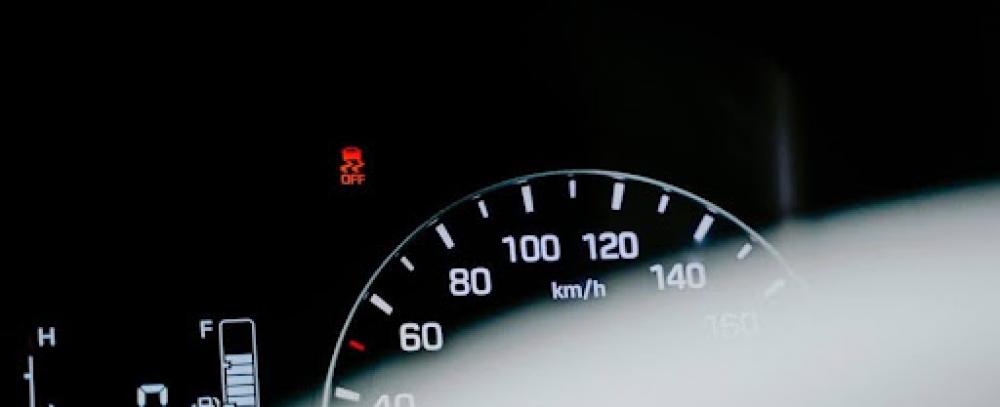
The EPC warning light is one of the more confusing dashboard alerts on Volkswagen Group vehicles. Owners of Volkswagen, Audi, Skoda, and SEAT cars see the amber EPC light at some point during ownership. Knowing what triggers it, what to check first, and when to source a replacement part rather than book a dealer service can save UK drivers meaningful time and money.
EPC stands for Electronic Power Control. The system monitors throttle behaviour and engine output on Volkswagen Group vehicles. Specialist resources like TheCarLane's guide to EPC warning cover the technical detail. The framework below covers the practical UK driver perspective.
Why Does the EPC Warning Light Matter for UK Drivers?
The EPC warning is an alert that the engine's throttle-body, accelerator-pedal sensor, brake-light switch, or one of several related sensors has flagged out-of-spec behaviour.
The first reason it matters is the limp-mode trigger. Many EPC faults cause the car to drop into a reduced-power mode, often capping the engine output at 30 to 40 percent of normal. A driver on the motorway when this happens needs to pull over safely and diagnose.
The second is the diagnostic cost. A main-dealer EPC diagnosis runs £80 to £150 in most UK garages. The same scan from an independent mobile mechanic typically runs £40 to £70. The difference matters when the underlying issue turns out to be a £15 sensor.
The third is the parts-cost spread. A genuine Volkswagen throttle body costs £400 to £900 new. The same part from a UK breaker yard runs £80 to £180.
What Are the Most Common EPC Trigger Causes?
Six causes account for most EPC warning incidents on UK Volkswagen Group vehicles.
- Brake-light switch failure. A faulty switch causes the EPC system to flag inconsistent brake signals. Inexpensive to fix, typically £15 to £35 for the part.
- Throttle body fault or fouling. Carbon build-up or sensor degradation in the throttle body is the classic EPC trigger on petrol Volkswagens.
- Accelerator pedal sensor failure. A degraded pedal-position sensor signals caution mode.
- ABS or ESP fault. EPC and ABS share electronic systems; an ABS sensor fault often shows as an EPC light.
- Mass air-flow sensor problem. A dirty or failed MAF cascades to an EPC light.
- Wiring or connector fault. Damaged wiring, corroded connectors, or a weak battery can all trigger an EPC alert.
The UK government's MOT and vehicle maintenance guidance covers the broader vehicle-fault framework UK drivers should reference when an EPC light surfaces alongside other warning indicators.
How Should a UK Driver Respond to an EPC Light?
Five practical steps handle most EPC scenarios cleanly.
Photo by Jose Ricardo Barraza Morachis on Pexels
Alt text: A mechanic using an OBD diagnostic scanner under a car bonnet
The first is the immediate safety check. If the engine has dropped into limp mode, find a safe place to stop. Check that nothing under the bonnet looks visibly wrong, including loose connectors, leaking fluid, or another warning light alongside.
The second is the OBD-II scan. A basic Bluetooth OBD reader (£15 to £40) plus a smartphone app delivers the fault code in under 5 minutes. The Driver and Vehicle Standards Agency's vehicle MOT history check covers the broader record-keeping framework worth pairing with the diagnostic step.
The third is the cause matching. A specific fault code (P0121 for throttle position, P0501 for brake switch, etc.) narrows the parts list significantly. Generic "EPC light is on" is almost always a more specific underlying code.
The fourth is the parts-source decision. New genuine, OEM-quality aftermarket, or used breaker-yard parts each fit different budget brackets. For an older Volkswagen Group car, a tested used part from a UK breaker yard often delivers the best value.
The fifth is the post-repair clear. After the part replacement, the EPC code needs clearing from the ECU. Most OBD readers handle this; some faults clear automatically after a few engine cycles. Coverage of Edinburgh car parts sourcing shows how UK regional breaker yards stock the components most often involved in EPC repairs.
What Are the Common EPC Repair Mistakes?
A repair mistake is a decision pattern that delays the fix or compounds the cost.
The first is the ignore-and-hope approach. EPC lights rarely clear themselves. Driving with the light on for weeks usually allows the underlying fault to cascade into a more expensive repair.
The second is the throttle-body-first reflex. Mechanics often default to throttle-body cleaning or replacement before scanning the code. A targeted scan saves the unnecessary parts swap.
The third is the brand-new-only assumption. For older Volkswagen, Audi, Skoda, and SEAT models, used parts from UK breaker yards routinely save 50 to 70 percent on the repair cost with no measurable reliability difference.
The fourth is the budget-OBD-reader avoidance. A £20 OBD reader pays for itself the first time it saves a £100 diagnostic fee. Every UK driver of a Volkswagen Group vehicle benefits from owning one.
The fifth is the post-repair scan skip. Without confirming the code has cleared, a recurring EPC light a week later often signals an incomplete fix or a missed secondary fault. Coverage of London car-parts breakers shows how UK breaker-yard networks support the same systematic fault-tracing discipline.
A Quick Reality Check for the EPC Light
- Plug in an OBD-II reader to capture the specific fault code first
- Match the code to a likely cause before ordering parts
- Compare new vs. used parts prices via UK breaker yard listings
- Clear the code after the repair and re-drive to confirm
- Document the repair date and code for the service history
The Honest Bottom Line on the EPC Light for UK Drivers
An EPC warning light on a Volkswagen Group vehicle is rarely a catastrophe. The most common causes are cheap to diagnose and modest to repair.
Brake-light switches, throttle-body fouling, and sensor wear all qualify. The savings show up clearly when the driver sources parts from a UK breaker yard. UK drivers who follow this routine usually keep their older cars on the road longer.
Frequently Asked Questions
Can I Drive a UK Car With the EPC Light On?
Sometimes, for short distances. If the engine has not dropped into limp mode and the car is otherwise running normally, a short drive to a garage or home is usually safe. Limp mode means stop and diagnose before continuing.
How Much Does an EPC Diagnosis Cost in the UK?
Main dealer scans run £80 to £150. Independent garages typically charge £40 to £70. A driver with a £20 to £40 OBD-II reader can capture the fault code at home before booking.
Can I Use Breaker-Yard Parts for an EPC Repair?
Yes, for most common EPC-related components on older Volkswagen Group vehicles. Used throttle bodies, brake-light switches, accelerator pedal sensors, and MAF sensors from UK breaker yards routinely save 50 to 70 percent versus new genuine parts.
Will an EPC Light Cause MOT Failure?
Usually yes. An illuminated EPC warning light is treated as a fault during MOT inspection. The car fails until cleared. Plan the repair before the MOT renewal date.


