

What Are Rear Lights and What Do They Do?
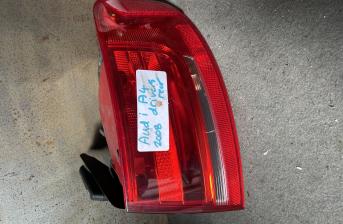
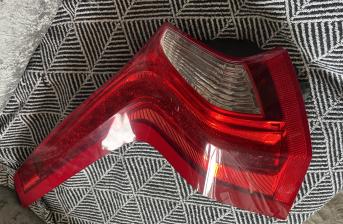
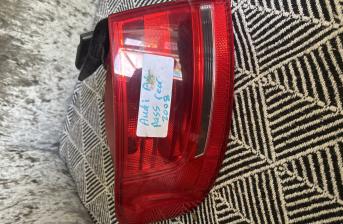
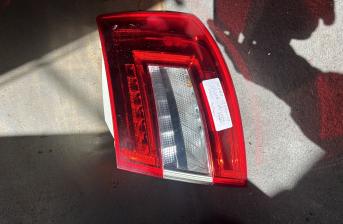
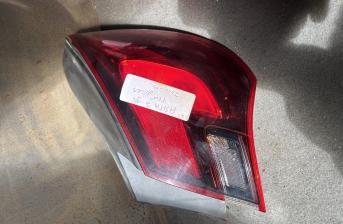
Rear lights are a vital part of a vehicle’s safety and communication system. Fitted to the back of the car, they help to ensure the vehicle is visible to others, particularly in low light, and indicate key movements such as braking, turning, and reversing. The rear light unit typically includes the tail light, rear taillight, brake light, indicator, and reverse light.
Rear lights activate automatically when the headlights or sidelights are switched on, while other functions such as braking or reversing, trigger specific lights in the cluster. These lights are essential not just for visibility but also for preventing collisions by clearly signalling your intentions to other road users.
Getting Into the Details of Rear Lights
Tail Light and Rear Taillight
The tail light, often used interchangeably with rear taillight, is a red light that turns on when your vehicle’s headlights or sidelights are activated. These lights are designed to be visible from a long distance, making your vehicle easily seen from behind at night or in poor weather conditions.
The rear taillight cluster typically also contains:
- Brake lights - which shine more brightly when the brake pedal is pressed
- Indicators – which flash amber when you're turning or changing lanes
- Reflectors – passive elements that reflect headlights back to other drivers
Reverse Light
The reverse light is a white light that comes on automatically when the vehicle is placed into reverse gear. It serves two key functions: to warn pedestrians and other drivers that the car is moving backwards, and to help the driver see obstacles behind them in low-light conditions.
Some modern reverse lights are paired with parking sensors or cameras to enhance driver awareness.
What Are Rear Lights Made Of?
Rear light units are typically constructed from:
- Polycarbonate or acrylic lenses – tough, transparent plastic that resists impact and weather
- Sealed housings – to keep out dust, moisture, and road debris
- LED or halogen bulbs – depending on the age and make of the car
- Wiring and connectors – to link the unit to the car’s electrical system
In newer models, full LED light clusters are common, offering longer life, improved brightness, and reduced energy consumption.
How Are Rear Lights Fixed?
Rear lights are usually mounted to the car body using bolts, screws, or clips and are accessed via the boot or interior trim panels. Most lights are part of a sealed unit, though bulbs in older vehicles may be replaced individually.
To install or replace a rear light unit:
- Open the boot or rear panel access
- Disconnect the wiring harness
- Remove the bolts or fasteners
- Replace the unit or bulbs as needed
- Reconnect and test the light functions
Customising or Upgrading Rear Lights
Car owners often choose to upgrade their rear taillights for both practical and visual reasons. Options include:
- LED upgrades for brighter, more efficient lighting
- Smoked or tinted lenses for a sportier aesthetic
- Sequential indicators for a modern look
- Clear lens kits for styling flexibility
When customising, always ensure that the new unit is road-legal and suitable for your vehicle’s make and model.
What if Something Goes Wrong with the Rear Lights?
As with any external car part, rear lights are vulnerable to damage and wear over time. Common issues include:
Physical damage:
- Cracked or foggy lenses from impacts or exposure
- Water ingress causing electrical faults or rust
- Lens discolouration reduces brightness
Electrical faults:
- Blown bulbs or failed LEDS
- Faulty wiring or poor connections
- Malfunctioning sensors (in reverse lights)
These problems can reduce visibility, lead to an MOT failure, and create safety hazards on the road.
Replacing Your Rear Lights
Whether it’s a cracked lens, failed tail light, or malfunctioning reverse light, replacing the rear light unit is essential for maintaining roadworthiness and safety.
Always choose a rear light unit designed specifically for your car’s make and model to ensure proper fit, function, and compatibility with your vehicle’s electrical system. Replacement units may come complete with bulbs, or you may need to transfer existing components.
Once fitted, test all functions, brake, tail, reverse, and indicator, to confirm everything works correctly before heading back out on the road.