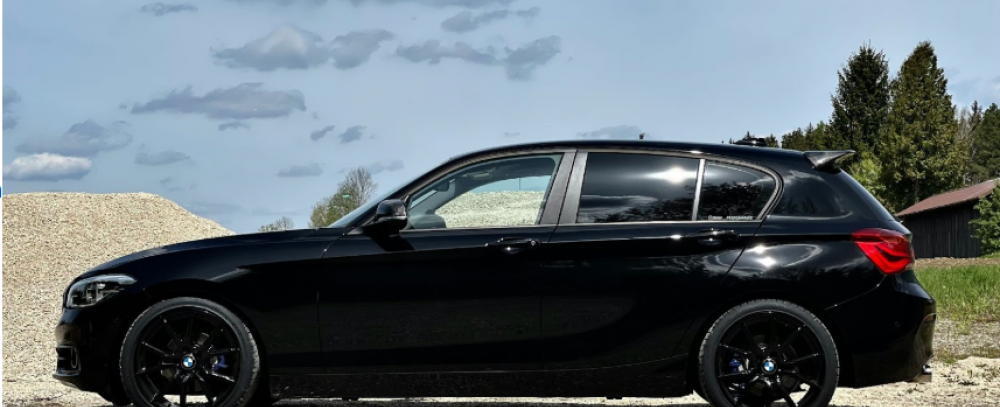
If you’re thinking about buying a BMW 1 Series in 2025, reliability is probably one of the first things on your mind. And for good reason. The 1 Series remains one of the UK’s most popular premium BMW hatchbacks: stylish, compact and built with that unmistakable BMW driving feel with protective ceramic car tint but how well does it stand the test of time? In this review, we’ll take a closer look at how dependable the BMW 1 Series really is — which engines perform best, what common issues to watch for, and how it holds up when it comes to long-term ownership and repairs.
Why the BMW 1 Series Remains a UK Favourite
Since its launch back in 2004, the BMW 1 Series has offered something few hatchbacks can: rear-wheel-drive balance (in older models), changed interiors and engines shared with larger BMWs. In the UK, it’s a top pick among those who want performance and practicality wrapped into one small premium package.
Even the newer front-wheel-drive F40 generation keeps that same BMW character. It has a solid build quality, responsive steering and high-efficiency BMW engines that last if looked after.
Reliability by Generation
E87 / E81 / E82 / E88 (2004–2013)
The first-generation BMW 1 Series quickly gained fans for its driver-focused layout and rear-wheel-drive setup. It was something rare in compact cars of its time. Early diesel models were fitted with the M47 engine, later replaced around 2007–2008 by the more efficient N47 engine. While the N47 brought better performance and economy, it also became known for potential timing chain issues if oil changes were neglected. Some owners also reported occasional turbo wear on high-mileage diesels.
On the other hand, the petrol versions, such as the 120i and 130i with their naturally aspirated engines, have proven to be some of the most reliable engines in this range. When serviced regularly and maintained with genuine BMW parts, these engines proved to be strong, smooth, and capable of lasting well beyond 150,000 miles without major issues.
F20 / F21 (2011–2019)
This generation marked a big step forward for the BMW 1 Series, both in refinement and reliability. Early models (2011–2014) mainly used the older N47 diesel and N13 petrol engines, which offered great performance but were known for a few issues, such as timing chain wear on the diesels. From around 2015 onwards, BMW introduced the newer B47 diesel and B38 petrol engines, bringing smoother operation, better fuel efficiency and fewer long-term problems.
Most reliability concerns in this generation are minor. Mostly electrical sensors, window regulators, or suspension bushes. When serviced on time, the newer B47 (118d/120d) and B38 (118i) engines are capable of running well past 150,000 miles, making the F20/F21 one of the most reliable used BMWs you can buy today.
F40 (2019–Present)
The latest F40 generation marked a big change for the BMW 1 Series, switching from rear-wheel drive to a more practical front-wheel-drive setup. The result is a car that feels just as sharp to drive but offers more interior space and comfort for everyday use.
It’s powered by BMW’s latest B-series engine, including the B47 diesel (118d, 120d) and B38 petrol (118i). These replaced the older N-series units and are shared across many current BMWs. Both engines are known for being smooth, efficient and highly reliable for daily driving. A big improvement in terms of running costs and long-term reliability.
Most issues reported by owners are minor and linked to normal wear, such as brakes, batteries, or BMW headlights, rather than serious engine faults. Overall, the F40 stands out as one of the most dependable and refined versions of the 1 Series to date — modern, economical, and built to last.
Common Weak Points to Watch
Even reliable BMWs need care. Here are some areas which 1-series BMW buyers or owners should know about:
- Timing chains (older 1 series diesels) — Early diesel models fitted with the N47 engine (mainly 118d and 120d built before 2012) are known for possible timing chain problems, especially if oil changes were delayed. Regular oil servicing with the correct grade helps prevent this issue. Later cars with the B47 engine resolved the problem completely, offering a much more reliable setup for long-term ownership.
- Automatic gearboxes — BMW’s 8-speed ZF automatic gearbox is generally very dependable, delivering smooth and quick shifts. However, BMW originally labelled it as “sealed for life,” which isn’t ideal in practice. Changing the fluid and filter roughly every 60,000–80,000 miles keeps it operating perfectly. Should a replacement be needed, used BMW automatic gearboxes are widely available in the UK and can be fitted by most independent specialists.
- Electrical sensors & lighting — like many modern cars, small electrical faults can occur from time to time — parking sensors, window switches, or lighting modules being the most common. Thankfully, replacing BMW motor parts such as sensors, wiring components, or headlights, is a simple and more affordable option when using genuine or tested used spares.
- Suspension wear — Front control arms, drop link, and rubber bushes tend to wear faster on the UK’s uneven roads. This can cause knocking noises or a vague steering feel, but the fix is easy. Quality BMW automobile parts. These are easy to find and maintaining them with OEM-specific components will help to restore the car’s tight, precise handling.
How Long Does a BMW 1 Series Last?
With proper servicing, a BMW 1 Series can comfortably exceed 200,000 miles. Diesel variants (118d, 120d) often go further, provided the DPF and EGR systems are maintained. Regular oil changes, coolant flushes and replacing filters on time make all the difference. Regular maintenance is the biggest factor which owners usually miss.
Under the bonnet, engines like the BMW B47 and B38 are extremely great. Overall, it’s BMW quality. The older M47 and N52 petrol engines also have an excellent track record if kept well-serviced. Many owners report over a decade of use with minimal issues beyond normal wear-and-tear.
How To Maintain a BMW 1 Series Cheaper in the UK
Running costs for the BMW 1 Series can be kept surprisingly reasonable with a bit of so-called smarter maintenance. What does it mean? It means remembering to regularly service your BMW. It’s important to change filters and engine oil every 10,000–12,000 miles (or once a year). These protect the timing chain and turbo, which are key components, especially if you have an N47 engine. Independent BMW specialists and garages across the UK often charge far less than main dealerships while offering the same level of expertise, making them a great option for long-term ownership.
One of the biggest savings comes from using tested, genuine used BMW parts instead of brand-new dealership components if you need related auto parts changes. For example, BMW engine parts, automatic gearboxes, or headlights can be sourced from BMW breakers in the UK. Those parts are usually up to 70% more expensive if bought new.
By sticking to timely servicing, using reputable parts suppliers and avoiding unnecessary dealership costs, maintaining a BMW 1 Series in the UK can be both affordable and stress-free.
So, is the BMW 1 Series reliable?
Yes — as long as it’s properly maintained. The latter F20 and F40 generations have earned excellent reliability ratings across the UK, with strong engines, solid build quality and a growing market for affordable replacement parts. Thanks to the availability of genuine and used BMW parts, running costs have become much more manageable compared to other premium hatchbacks.
Older versions may need a little more attention, particularly around timing chains and suspension components, but these are well-known issues that can be easily prevented with regular servicing. In essence, the 1 Series is a car built to last — dependable, enjoyable to drive, and unmistakably BMW in feel and quality. Whether you already own one or are planning to buy, it’s a smart and rewarding choice.
Final Thoughts
Buying or keeping a BMW 1 Series in 2025 means investing in proven reliability and long-term value. With a strong network of UK suppliers and breakers, sourcing genuine BMW automobile parts is easier than ever. Keep up with routine maintenance, use trusted components, and your 1 Series will continue to deliver that signature BMW confidence and driving pleasure for many years to come


