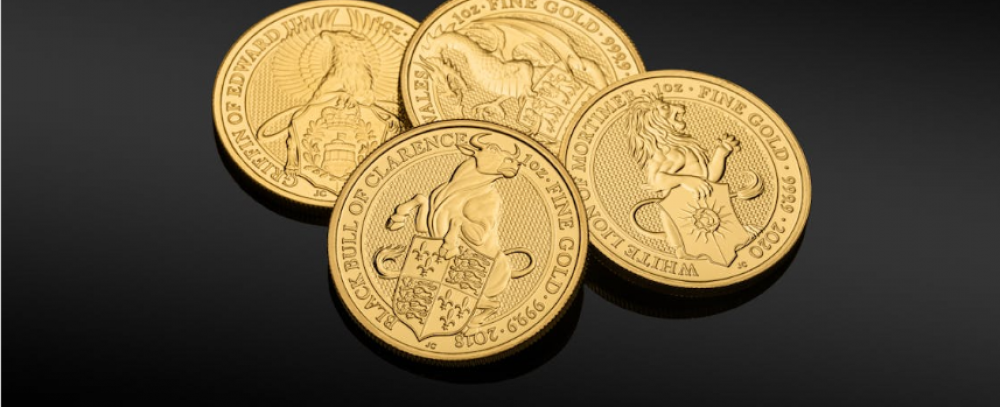
Around 69 million cars break down nationwide each year, and mechanical failures occur every day that leave drivers stranded on the side of the road with a repair bill they simply cannot afford. When your transmission slips or a sensor in your advanced driver assistance system fails, the financial impact is immediate and often staggering. As traditional savings accounts fail to keep pace with hyperinflation in the automotive sector, physical gold and silver coins have emerged as a legitimate secondary reserve for vehicle maintenance.
The era of the $500 "all-in" repair is largely a thing of the past. Modern vehicles are rolling computers, and the cost of maintaining them has shifted from simple mechanical labor to high-priced component replacement.
Image Source: Pexels
The Reality of Escalating Maintenance Costs
Inflation hits the garage differently than it hits the grocery store. While general inflation might fluctuate, the average annual car maintenance cost has climbed to over $1,200 for routine work alone, exacerbating increased ownership costs, and that is before you factor in major mechanical disasters.
A repair fund sitting in a standard savings account is essentially losing its "purchasing power for parts" in real time. This happens because the cost of specialized labor and tech-heavy components, such as lidar sensors and infotainment modules, is rising faster than the interest rates offered by your local bank.
Precious metals provide a physical hedge that tends to move in the opposite direction of currency devaluation. By holding a portion of your emergency vehicle fund in liquid bullion, you create a dedicated asset that maintains its relative value. It is about ensuring that the silver you buy today can still pay for a complex brake job three years from now, regardless of how much the dollar has weakened.
Strategic Planning for Mechanical Resilience
Managing a vehicle requires a more proactive financial strategy than just hoping the "Check Engine" light stays off. If you want to avoid high-interest emergency loans or "buy now, pay later" schemes at the dealership, you need a tiered reserve system.
You should keep enough cash on hand for immediate diagnostic fees and small repairs. However, holding a secondary reserve in precious metals for major structural or electronic failures protects you from the predatory interest rates often associated with emergency automotive credit.
Liquidity is the most important factor when selecting assets for this purpose. You need pieces that are recognizable and easy to trade for fast cash when a mechanic is holding your keys hostage.
Using coins with anti-counterfeiting features ensures that the transaction at a local coin shop is instant and the spread is kept to a minimum. There are several ways to lower the direct cost of any vehicle repair:
- Source recycled OEM parts from reputable secondary markets
- Build a relationship with an independent specialist rather than a dealership
- Maintain a digital folder of every receipt for warranty claims
Beyond the metal hedge, these habits create a paper trail that adds value to your vehicle. It also ensures you never pay for the same fix twice if a refurbished part fails during its warranty period.
Navigating the 2026 Market Volatility
We are currently seeing gold trade above $4,600 as fiscal deficits expand and trust in fiat currency continues to waver. While these numbers are impressive on a screen, their true value is found in the peace of mind they provide when your car is on a lift.
When your vehicle breaks down, the stress is usually financial rather than technical. A well-managed precious metals buffer removes the panic from the equation. Instead of watching your savings lose double-digit utility to the rising cost of steel and microchips, you are holding an asset class that thrives on the very inflation that makes repairs so expensive.
This strategy is not a speculative play. It is a stay-mobile plan. By converting a portion of your monthly car payment or maintenance budget into physical ounces, you are essentially pre-paying for your future repairs in a currency that has outlasted every automotive brand in history.
Building a Robust Automotive Reserve
Establishing a repair reserve that grows alongside the cost of living is the hallmark of a prepared driver. While the digital age offers many conveniences, the physical reality of a broken axle requires a tangible financial solution. Gold and silver provide the bridge between modern economic uncertainty and the physical needs of vehicle upkeep.
As you look at your budget for the coming year, consider how much of your "rainy day" fund is actually prepared for an automotive storm. Moving away from total reliance on cash toward a diversified holding of liquid metals can be the difference between a minor inconvenience and a total loss of mobility.
The most successful strategies are those started before the dashboard lights up. Taking the time to research your options now will put you leagues ahead of those who wait for the tow truck to arrive. You can explore more posts on our site for deeper insights into maintaining your financial health and your vehicle’s health.


