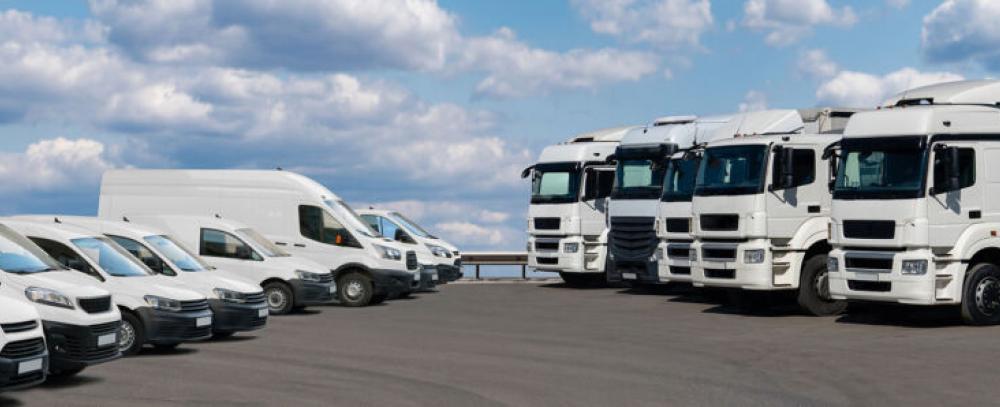
Commercial Vehicle Auctions: Meeting Business Needs
You've decided to buy a commercial vehicle. You know what kind you want and how much money you want to spend, but where do you go for the best deals? Auction houses are one option that many people overlook, but there are several advantages to buying your next truck at an auction house. In this post, we'll explore some of those advantages and give some tips on how to make sure that you're getting a good deal when you buy from an auction house.
Advantages of Commercial Vehicle Auctions
Commercial vehicle auctions offer numerous advantages to prospective buyers. Firstly, these events provide access to a comprehensive range of vehicles, enabling buyers to pinpoint precisely what aligns with their requirements without the hassle of sifting through countless online listings.
Secondly, the ability to physically inspect vehicles before committing to a purchase is a significant advantage, especially when contrasted with buying from private sellers who may not fully disclose any defects or damage incurred during use.
Thirdly, buyers at auction events can engage in direct price negotiations with sellers, bypassing the need for intermediaries such as eBay or Craigslist. This often leads to more competitive pricing.
Lastly, for buyers who prefer professional inspections rather than conducting their own, auctioneers typically assess and inspect vehicles before presenting them for sale. This service adds an extra layer of confidence for buyers, ensuring that they are well-informed about the condition of the vehicles they are considering purchasing. Exploring a vehicle's Copart auction history can also provide valuable insights into its past performance and condition.
Types of Commercial Vehicles
There are several types of commercial vehicles, each designed for specific purposes. These include:
- Light Trucks: This category encompasses a range of vehicles such as vans, pickups, and SUVs. They are often used for various tasks, including transportation of goods and people.
- Heavy-Duty Trucks: Also known as tractor-trailers, these vehicles are designed to transport cargo over long distances. They play a crucial role in the logistics and transportation industry. When considering the purchase of a heavy-duty truck like an Audi freight truck, examining its Audi VIN history provides valuable insights into its past performance and condition, aiding informed decisions for demanding long-haul operations.
- Buses: Buses are utilized for transporting groups of people from one location to another. This category includes various types of buses, including school buses, public transit buses, and charter buses.
To ensure a vehicle is roadworthy, it must undergo inspection by an authorized individual, such as an auto mechanic or an automobile dealer. Maintaining a vehicle in good working condition involves regular checks, such as monitoring tire wear and tear, scheduling regular oil changes, ensuring all fluids are topped up, and performing routine maintenance on critical components like brakes, suspension systems, and drivetrain components, as recommended by the manufacturer's manuals. Additionally, maintaining properly functioning lights, including brake lights, and adhering to window tinting regulations are essential aspects of vehicle upkeep. Exploring a vehicle's Audi VIN history can also provide valuable insights into its past performance and condition, assisting in making informed decisions about its road worthiness.
Inspecting Commercial Vehicles
Inspecting a commercial vehicle is the first step in any auction. Before you buy, you need to ensure that the vehicle is in good condition and roadworthy, meets all safety standards, and complies with all legal requirements.
- Check that the vehicle has an MOT certificate (if applicable). This must be valid at the time of sale and should have been issued within 6 months of the purchase date.
- Check that there are no outstanding finance payments due on any part of this purchase - including any hire purchase or conditional sale agreements associated with previous ownerships which may still exist in your name or someone else's name if applicable under Consumer Credit Act 1974 section 75(1)(b) (ii); otherwise known as 'buyer protection'.
Online vs. Physical Auctions
Online auctions are a popular alternative to physical auctions. Online auctions offer greater convenience and speed of sale, as well as lower costs for both buyers and sellers. However, there are some situations where physical auctions may be preferable:
- For large quantities of vehicles (more than 50), it can be more cost-effective to sell them at a physical auction site. The seller will not have to pay for shipping or transportation costs; he or she can simply drop off the vehicles at the auction location on his way home from work, saving valuable time in getting started with selling his inventory.
- If you need flexibility in terms of when you can sell your vehicle(s), then a physical auction may work better because these types of events allow buyers and sellers alike more options when choosing an end date for bidding activity. You might also find it easier to reach out directly through email or phone calls instead of relying solely on online communication methods like chat rooms where everyone else is typing away furiously trying not to miss anything important!
The commercial vehicle auction is a powerful tool for businesses to meet their needs. Commercial vehicles are inspected and certified by experts before being sold at auctions so that buyers can be confident in their purchase. There are many types of commercial vehicles available at these events, including trucks, buses, and vans.


