If you own a diesel truck and you're dealing with sluggish throttle response, excessive black smoke, or a check engine light that won't quit, the EGR system is almost always the first place to look.
The EGR system is one of the most talked-about components in the diesel community, and for good reason. It causes headaches across all three major North American diesel platforms: Ford Powerstroke, Dodge Cummins, and GM Duramax. The question most owners ask is: should I clean it, or delete it entirely?
This guide breaks down exactly how the EGR system works, what the real difference is between cleaning and deleting, and what experienced diesel owners are actually doing in 2026.
What Does the EGR System Actually Do?
The EGR valve recirculates a portion of exhaust gas back into the engine's intake manifold. The intention is to lower combustion temperatures and reduce nitrogen oxide (NOx) emissions, which is why it exists in the first place.
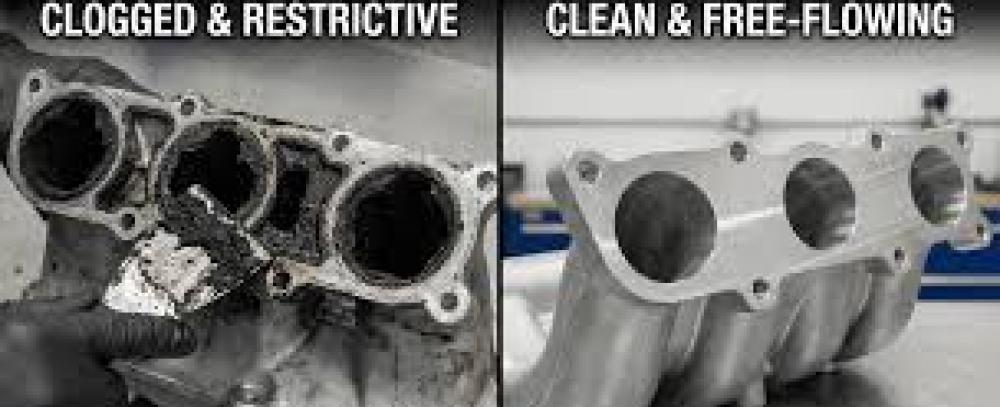
The problem is that diesel exhaust is dirty. Every time exhaust gas loops back through the intake, it carries soot, carbon deposits, and oil vapour with it. Over time, this buildup coats the intake manifold, throttle body, and EGR cooler. What starts as an emissions control device gradually becomes a maintenance liability.
On high-mileage trucks, EGR-related issues become one of the most common causes of power loss, rough idle, and eventually, costly component failures.
EGR Cleaning: When It Makes Sense
Cleaning the EGR system is the conservative option. It involves removing the EGR valve, cooler, and intake components, then manually cleaning out the carbon buildup with solvent and brushes. On a healthy, lower-mileage diesel, this can restore proper operation and is a legitimate fix.
EGR cleaning makes sense if:
- Your truck is under 80,000 miles and the EGR system hasn't failed yet
- You're dealing with a minor idle issue or a first-time P0401 fault code
- Your truck is a daily driver operating on public roads where emissions compliance matters
EGR cleaning has real limits:
The fundamental issue is that you're treating a symptom, not the root cause. Once the EGR system is cleaned, the soot recirculation process starts again immediately. Many diesel owners find themselves cleaning the same components every 30,000–50,000 miles, each time with diminishing returns.
Worse, a failed EGR cooler can pump coolant directly into the combustion chamber. On 6.0L Powerstroke and early Duramax engines especially, this has been a catastrophic failure mode for thousands of owners.
EGR Delete: The Permanent Fix for Off-Road and Competition Use
An EGR delete physically removes the EGR valve and cooler from the system and replaces them with block-off plates, coolant reroute fittings, and high-temp gaskets. Once deleted, exhaust gas no longer enters the intake at all.
The results are well-documented among diesel enthusiasts:
- Intake stays clean: There is no more soot buildup on the throttle body or intake manifold
- Cooler temps: The EGR cooler is a major heat source; removing it reduces thermal stress on the cooling system
- Improved throttle response and power: This is particularly noticeable under heavy tow loads
- Lower long-term maintenance costs: There are no more EGR cooler replacements, no more intake cleaning cycles
For Cummins-powered Ram 2500/3500 owners, the 6.7 Cummins EGR delete kit is one of the most popular modifications in the diesel community. The 6.7L Cummins is a capable engine, but its EGR cooler is a known failure point, particularly on trucks used for heavy towing or farm work.
Duramax owners running LLY, LBZ, LMM, or LML engines have a similar story. The Duramax EGR delete kit is a staple mod for anyone building a reliable, long-term diesel work truck that sees serious duty cycles.
For Ford owners dealing with the notorious 6.0L or the more robust 6.7L, a Powerstroke EGR delete kit addresses the same core issues: soot ingestion, cooler failures, and intake restriction.
What About Running a Tune After an EGR Delete?
This is important: an EGR delete on its own will throw fault codes because the ECU monitors EGR function. To run the truck cleanly after a delete, you need a custom tune that disables EGR-related parameters in the ECU.
Most reputable diesel EGR delete kits are designed to be paired with a performance tuner for exactly this reason. Running the delete without a tune will leave you with a check engine light and potentially a truck stuck in limp mode.
The Bottom Line: Clean or Delete?
If you're running a newer truck on public roads and emissions testing is a requirement in your area, cleaning is the compliant path forward. Do it properly, do it regularly, and budget for it.
If you're running a diesel truck in an off-road, agricultural, competition, or track environment where emissions compliance isn't a factor, and you're tired of fighting the same recurring EGR failures, an EGR delete is the cleaner, more permanent solution that most experienced diesel owners eventually land on.
For anyone in North America serious about diesel performance and reliability, EngineGo has engine-specific kits covering the full range of Cummins, Duramax, and Powerstroke applications, all designed for off-road use with full fitment support and installation guides included.


