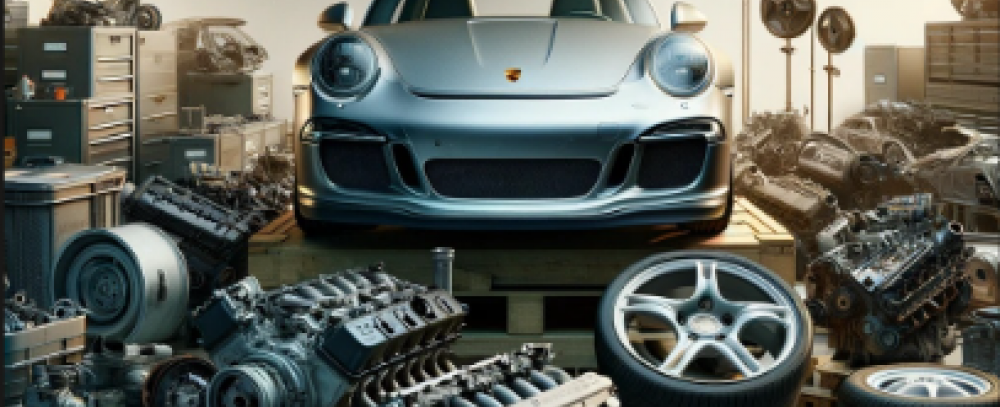
Owning and maintaining a classic Porsche is as much about decision-making as it is about passion. One of the most common dilemmas owners face—especially those new to classic car ownership—is choosing between OEM, aftermarket, and used parts. Each option has its place, and none is universally “right” or “wrong.” The best choice depends on your car, your goals, and how you plan to use it.
Understanding the differences can help you avoid unnecessary expenses, maintain reliability, and preserve the character of your Porsche over the long term.
Understanding OEM Parts
OEM (Original Equipment Manufacturer) parts are components made to the same specifications as those originally fitted to the car when it left the factory. In many cases, these parts are still produced or licensed by Porsche or its original suppliers.
The main appeal of OEM parts is accuracy. They are designed to fit precisely, function as intended, and maintain the original engineering balance of the car. For owners focused on originality, resale value, or concours-level restoration, OEM parts are often the preferred choice.
However, OEM parts usually come at a premium. Availability can also be limited, especially for older models, leading to long wait times or discontinued components. While quality is typically excellent, the cost-to-benefit ratio isn’t always ideal for every situation.
When OEM Makes the Most Sense
OEM parts are often the best option for safety-critical components such as suspension parts, braking systems, and engine internals—especially if the car is driven regularly. They’re also important when originality matters, such as on historically significant models or vehicles with matching numbers.
That said, buying OEM doesn’t automatically guarantee perfection. Some parts are produced in small batches or updated versions, which may differ slightly from original-era components. Understanding what you’re buying is just as important as choosing the category.
The Role of Aftermarket Parts
Aftermarket parts are produced by third-party manufacturers rather than the original carmaker. Quality in the aftermarket world varies widely, ranging from poorly made replicas to high-end components that outperform OEM parts in durability or performance.
One advantage of aftermarket parts is choice. Owners can often select from multiple price points and specifications, making it easier to tailor repairs or upgrades to their needs. Improved materials, tighter tolerances, or modern manufacturing techniques can sometimes make aftermarket parts more reliable than originals.
For cars that are driven frequently rather than stored, aftermarket components can offer practical benefits without compromising enjoyment.
When Aftermarket Parts Are a Smart Choice
Aftermarket parts are particularly useful for wear-and-tear items such as bushings, hoses, exhaust components, and ignition parts. In many cases, they are more readily available and more affordable than OEM alternatives.
They also make sense when subtle upgrades are desired. Improved braking compounds, modern seals, or reinforced components can enhance reliability while remaining visually discreet. For owners less concerned with strict originality, this flexibility can be a major advantage.
The key is research. Reputable manufacturers with proven track records are worth seeking out, while unknown brands can introduce reliability risks.
Used Parts and Their Place in Restoration
Used parts—often sourced from donor cars or specialist dismantlers—are another common option, particularly for older models. They can be original, period-correct, and sometimes the only solution when new parts are no longer produced.
For rare or early vehicles, such as those requiring Porsche 356 parts, used components may be essential to maintaining authenticity. Original trim pieces, gauges, or engine components often carry historical value that reproductions cannot replicate.
However, used parts come with uncertainty. Wear, fatigue, and hidden damage are always possibilities, even when parts appear visually sound.
How to Evaluate Used Parts Safely
When considering used parts, provenance matters. Buying from established specialists who inspect, refurbish, or warranty components significantly reduces risk. Clear photographs, detailed descriptions, and honest assessments of condition are good signs.
Used parts are best suited for non-critical areas or components that can be rebuilt or refurbished. For safety-related systems, caution is advised unless the part has been professionally inspected or restored.
Balancing Cost, Originality, and Reliability
Choosing between OEM, aftermarket, and used parts is rarely a purely technical decision. It often reflects how you see your car and what you want from ownership.
A daily-driven classic may benefit from modern aftermarket solutions that improve longevity. A weekend car might balance OEM and aftermarket parts, while a historically significant vehicle may justify the expense and effort of sourcing original components.
There’s also no rule that says you must choose only one category. Many well-maintained classic Porsches use a thoughtful combination of all three, each selected for a specific purpose.
Thinking Long-Term
Short-term savings can sometimes lead to long-term costs. Cheap parts that fail prematurely can damage other components or require repeated labor. Conversely, overpaying for OEM parts when a high-quality aftermarket alternative would suffice can strain budgets unnecessarily.
Documenting what parts you install—and why—can also be helpful for future maintenance or resale. Transparency builds trust and helps the next owner understand how the car has been cared for.
Making Informed Decisions as an Owner
The best Porsche owners are informed ones. Understanding the differences between OEM, aftermarket, and used parts empowers you to make decisions based on facts rather than assumptions.
Rather than asking which option is “best,” it’s more useful to ask which option is best for this specific part, on this specific car, used in this specific way. When approached thoughtfully, each category of parts can play a valuable role in keeping a classic Porsche on the road and enjoyable for years to come


