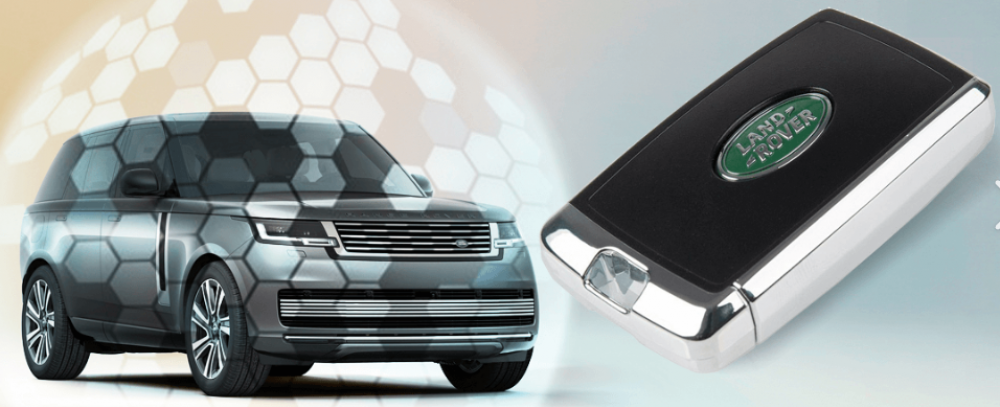
Car security systems have come a long way in the last few decades, from basic physical locks to complex electronic networks that are put in place to stop entry and theft of vehicles. Today, as drivers’ cars are getting more and more alike out on the road, it also becomes more important that drivers understand how these systems work and what options they have when keys are lost, damaged, or not working.
Understanding Car Anti-Theft Systems
At the base of what car anti-theft systems do is to stop someone from starting or getting into a vehicle without the right key or authorization. In the past, drivers saw mostly mechanical solutions in older cars, like the steering wheel locks and basic ignition key cylinders. They may have worked at the time, but in fact these were still very easy to get around and duplicate.
Today drivers see the use of electronic immobilizers, transponder keys, remote key fobs, and smart key systems in today’s cars. These technologies put in place many layers of security, which in turn make it very hard for unauthorized reproduction.
1. Transponder Keys
One of the most popular anti-theft technologies is the transponder key. In it a transponder chip is put in the key head, which in turn talks to the vehicle’s immobilizer system. As drivers use the key in the ignition or bring it to the push start system, the car puts out a signal to the chip. Should the chip reply with the right encrypted code, the engine starts. Should it not return the right code, the immobilizer stops the engine from running. This system greatly reduces the issue of “hot wiring,” which was a very common form of car theft.
2. Remote Keyless Entry Systems
Remote-controlled key fobs for today’s cars, which allow drivers to lock and unlock the car at the press of a button. Also, many of these fobs include panic buttons, remote start, and trunk open features. They use encrypted radio frequency, which drivers see as a large step in security from the old-fashioned key-in-the-ignition setup.
Also, as with any electronic device, key fobs may stop working, become unprogrammed, or run out of battery. In which case professional reprogramming or replacement is required to restore full security.
3. Smart Keys and Push-Start Technology
Luxury and new car models tend to feature smart keys. Which are of the proximity-based kind that go in and out of drivers’ pockets and which enable keyless entry and push-button start? At the same time, these are very complex in terms of the encryption and programming that goes into them.
If a smart key is out of use or has gone bad, that is not the end of the issue; it has to be properly coded in to work with the car’s computer system, which in turn guarantees the security system’s integrity.
Why Professional Key Replacement Matters
In the case of advanced anti-theft systems, professional service is key. Drivers see that do-it-yourself services and generic replacements, which may be out there, aren’t the answer. What they need is proper diagnostics, the right programming tools, and in-depth manufacturer-specific knowledge. If you need expert assistance, you can explore reliable services like Land Rover Car Key Replacement to ensure your vehicle’s security system is correctly handled.
Primary Causes of Key and Anti-Theft Problems
Car security systems are very effective, but in some cases drivers see:
- Lost or stolen keys
- Damaged transponder chips
- Dead key fob batteries
- Faulty immobilizer systems
- Signal interference
- Smart key damage from water or physical
When a key goes missing or is stolen, it is important to not only get a replacement out but also to reprogram the car’s system, which in turn will make the lost key inoperative. This will prevent that person, who may have found or stolen the driver’s old key, from also having access.
The Importance of Reprogramming
In today’s anti-theft systems a key issue is reprogramming. Upon introduction of a new key, the vehicle’s computer must be updated to accept it. Also at the same time, old or compromised keys should be removed from the system’s memory.
Professional automotive lockout technicians use special diagnostic tools to access the vehicle’s ECU (Engine Control Unit) and immobilizer module. This in turn:
- The new key functions properly
- The anti-theft system remains active.
- Any lost keys are disabled.
- The vehicle maintains factory-level security.
Choosing experienced specialists, such as those at carkeysyd, helps ensure that replacement keys are not only functional but fully integrated into your car’s security system. For any inquiries or assistance, don’t hesitate to Contact Us.
Enhancing Vehicle Security
While the factory-installed security systems are a good base, also consider these additional measures, which will improve protection:
- Steering wheel locks
- GPS tracking devices
- Car alarms with motion sensors
- Secure parking practices
- Regular key maintenance
Drivers also should not leave extra keys in the car or share digital key codes with unauthorized people.
Signs Your Anti-Theft System May Need Attention
Drivers will see that some of the signs, which are warnings, indicate a problem with their vehicle’s anti-theft system:
- Engine cranks but does not start
- Security light flashing continuously
- Key not recognized message
- Remote functions not responding
- Intermittent ignition failure
If drivers have these symptoms, it is recommended to seek professional diagnosis. Ignoring early signs may result in a complete breakdown of their vehicle at an inconvenient time.
Final Thoughts
Car security is a key element of today’s vehicle security. Drivers see from transponder keys to advanced smart key technology that these systems are put in to stop unauthorized access and to keep their car secure. But with great sophistication, drivers see the need for professional help when it comes to key replacement or reprogramming.
Whether drivers are out of their key, require a spare, or have issues with their immobilizer system, it is recommended to seek out professional help which in turn will keep their car secure. Also by knowing how anti-theft systems work and taking care of them as they should be, drivers may reduce risks and drive with more peace of mind


