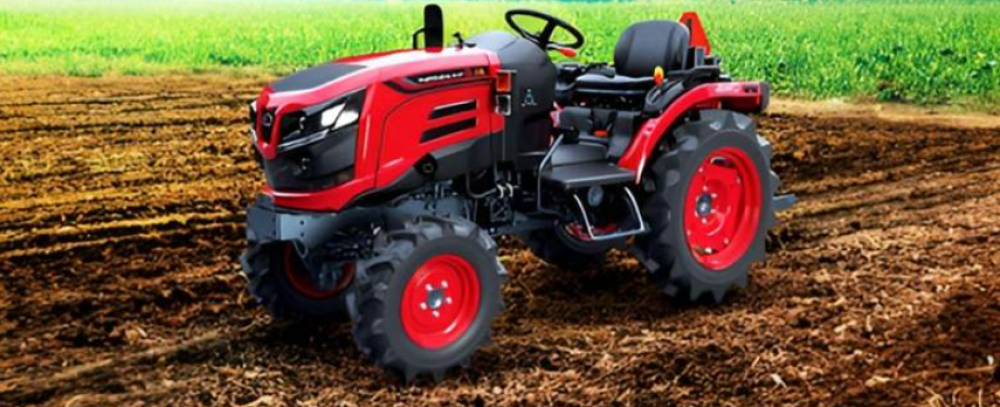
Why tractor technology matters in India
Field conditions here change fast: dry hardpan in one patch, sticky soil in the next, and narrow boundaries that demand tight turning. The right tech can keep work consistent by:
- holding steady power when the load increases
- Keeping the implement depth uniform
- reducing repeated clutch and lever movement
- providing timely service reminders
Those gains are small per hour, but meaningful across a season.
Mahindra's technology story can be understood through four pillars: engine and powertrain, hydraulics and implement control, connectivity, and operator-focused automation.
1. Smart engine and powertrain technology
Performance is not only about peak horsepower. It is about torque delivery, usable gears, and how easily the operator can match the tractor to the job.
ELS DI engines (Extra Long Stroke)
Extra-long stroke diesel designs focus on stronger low-end torque. In practice, that matters when you are pulling a cultivator through heavy soil or starting a loaded trolley. A torque-rich engine usually needs fewer high-rev “rescues”, which supports calmer driving.
mBoost operating modes
Many owners run one tractor across tillage and transport. Mode-based engine settings fit that reality. When you need an aggressive response, you can select a higher power mode. When the task is lighter, a fuel-saving mode can reduce unnecessary diesel use. The key is using the modes deliberately, rather than leaving the tractor in one setting for every job.
Transmission and shuttle systems
Gearbox design influences productivity and fatigue. Synchromesh gearing makes shifts smoother, especially when you are moving between field and road speeds. Multi-speed shuttle (forward and reverse) systems reduce the effort of direction changes during loader work, bund turning, or repeated headland manoeuvres.
Creeper speeds for precision work
Certain operations demand very slow, controlled movement: vegetable sowing, bed preparation, laying mulch film, or planting in tight spacing. Creeper speeds allow steady movement at ultra-low forward speeds, so the implement does accurate work while the operator focuses on alignment.
2. Precision hydraulics and implement control
On most farms, the implement decides the final result. Even a powerful tractor feels underwhelming if the hydraulics are inconsistent. Modern Mahindra tractors emphasise both lift capability and finer control.
mLIFT load-sensing hydraulics
Load-sensing hydraulics adjust output based on demand. Instead of pushing full flow all the time, the system supplies what the implement requires, which can translate to smoother lifting and lowering in tough patches.
Electronic Draft Control (EDC)
Draft control keeps tillage depth steady as resistance changes. Electronic systems read load feedback and adjust linkage position more precisely than purely mechanical setups. The operator benefits usually show up as:
- more even depth across mixed soil
- less wheel slip in hard spots
- cleaner furrows and a more uniform seedbed
Auto implement lift at headlands
Headland turns are where time and quality are often lost. Auto lift features raise the implement at the row end and lower it again as you line up for the next pass. Across repeated turns, that consistency reduces missed strips and gives a neater finish.
3. Digital connectivity and telematics (MYOJA and DiGiSense)
Connectivity is now a practical tool in farm equipment. For owners who manage distant plots, share tractors with family drivers, or operate custom hiring, phone-based visibility can reduce confusion and downtime.
Real-time tracking and utilisation
With live location, trip history, and operating hours on the app, you can plan refuelling, decide which plot to finish first, and keep an eye on hired drivers without phone calls. For transport-heavy days, it also becomes easier to see how long the tractor spent on the road versus in the field, and schedule rest breaks during peak harvest movement.
Diesel and health monitoring
Monitoring fuel trends and key engine parameters can highlight unusual patterns early. Service reminders based on operating hours also matter, because breakdowns often happen when maintenance is delayed during peak season.
Geofencing alerts
A geofence sets a virtual boundary around a farm, a yard, or a route. If the tractor moves outside that area, an alert can be triggered. For owners who park machinery in open spaces or lend it out during busy months, this extra visibility can bring peace of mind.
4. Automation and operator comfort
Automation is mostly about reducing repetitive actions and improving consistency, not replacing the operator's judgement.
Auto PTO control
The PTO drives implements like rotavators, reapers, and sprayers. Auto PTO functions can engage or disengage the PTO in sync with certain actions, such as lifting at the headland. This supports smoother turns and reduces unnecessary implement strain.
Smart braking for tighter turns
In small holdings and orchards, turning space is limited. Smart braking can apply one-sided braking more intelligently during tight turns, reducing the turning radius without the operator constantly managing separate brake pedals.
Ergonomics that support long days
Comfort influences safety and work quality. Depending on the model, operator stations may include:
- better seating support for long hours
- flatter platforms for easier entry and exit
- more comfortable steering options on select variants
- clearer instruments and more convenient control placement
When fatigue is lower, the operator is more consistent with speed, depth, and turning, which shows up in field finish.
Choosing the right features for your work
If someone asks for the best tractor, start by listing your most frequent tasks and the heaviest implement you run. Then match features to that reality:
- torque and gearing for typical loads and soil type
- hydraulic lift capacity and draft control for your main tillage tool
- PTO usage pattern, especially if you do a lot of headland turns
- turning needs if you work in narrow plots or orchards
- telematics if the tractor is shared, hired out, or used across distant locations
Also, consider service reach and spare availability in your district. Technology delivers value only when routine maintenance is done on time, and operators are trained to use the features properly.
Closing thoughts
Modern Mahindra tractors show how smart engineering can improve everyday farm work without making the machine complicated. Strong torque delivery, finer hydraulic control, useful phone-based data, and sensible automation touches add up across the season. View the tractor as a working system, not just an engine size, and you will be closer to picking the best tractor for your land, your crops, and your pace of work.


