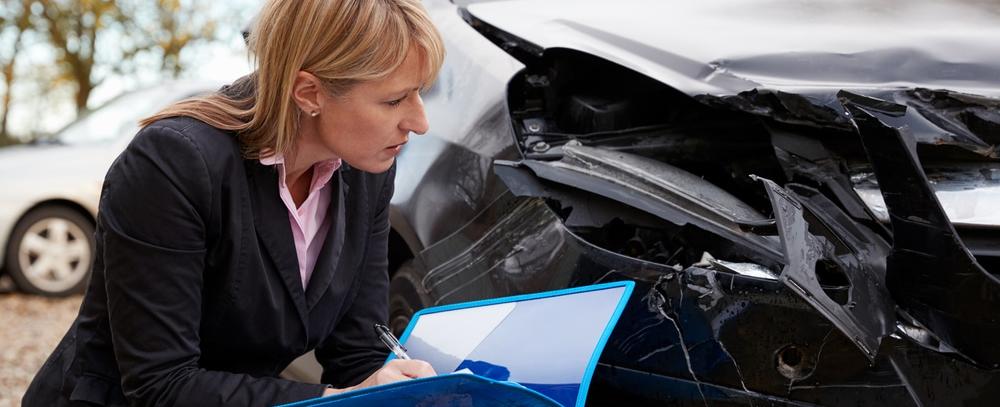
When your car’s been in an accident, getting it fixed quickly feels like the top priority. But once the paint’s dry and the panels line up, there’s another important step that often gets overlooked — how those repairs affect your car’s value.
Insurance adjusters, dealerships, and professional appraisers don’t just look at whether the car runs again. They check what parts were used, how well the repairs were done, and whether the car is still safe. These details can make a big difference in how much your car is worth afterward.
If you ever need an official evaluation, a certified appraiser explains how appraisers assess repaired vehicles for resale, insurance, or total loss claims. But whether you plan to sell your car or keep it, knowing what appraisers look for helps you make better choices after a repair.
1. The Parts Used in the Repair
One of the first things an appraiser checks is what kind of parts went into the repair. Not all parts are equal.
You’ll often see these terms on your repair paperwork:
● OEM (Original Equipment Manufacturer) – parts made by the same company that built your car.
● Aftermarket – parts made by other manufacturers to fit the same model.
● Used or Salvaged Parts – taken from another vehicle, often through a dismantler or breaker yard.
Appraisers know that OEM parts usually match perfectly and meet factory safety standards. Aftermarket and used parts can be fine, but it depends on quality and fit. If a panel, bumper, or headlight doesn’t align properly, it can lower the vehicle’s resale value.
That doesn’t mean you have to avoid used or aftermarket parts altogether. Many are just as good, and they can save a lot of money. The key is documentation. Keep invoices and part numbers so there’s a record of what went in. When an appraiser sees clear evidence that proper parts were used and installed correctly, it works in your favor.
2. The Fit and Finish of the Repairs
A repair might look fine at a glance but tell a different story up close. Certified Appraisers pay attention to fit and finish — the small details that reveal whether a repair was done right.
Here’s what they look for:
● Panel gaps that are even and tight
● Consistent paint color and texture across the body
● Properly aligned lights, trim, and door seams
● Matching hardware (screws, bolts, clips)
Uneven gaps or mismatched paint suggest shortcuts, even if the car seems okay mechanically. It might not affect how it drives, but it does affect how buyers — and insurers — see it.
If you had repairs done at a shop, ask them to check the car under different lighting. Paint can look perfect indoors but slightly off in daylight. A clean, well-blended finish makes a huge difference in how an appraiser scores condition.
3. Structural Integrity and Frame Repairs
Underneath the paint, the structure matters most. Appraisers want to know if the car’s frame or chassis was damaged and, if so, how it was repaired.
Even a small misalignment can cause uneven tire wear, vibration, or safety issues later on. A certified repair shop should provide documentation and alignment reports to prove the structure meets manufacturer specs.
Frame repairs don’t automatically kill a car’s value, but they can lower it depending on severity. If an appraiser finds evidence of poor alignment or missing welds, that’s a red flag. On the other hand, if you can show it was fixed to factory standards, you’ll recover more value.
4. Safety Systems and Sensors
Modern cars rely on advanced driver-assistance systems (ADAS) — things like lane-keeping, adaptive cruise control, and collision alerts. These systems depend on precise calibration.
After a crash, appraisers check whether sensors and cameras were replaced or recalibrated correctly. Even a slightly misaligned radar or camera can cause false warnings or, worse, fail to respond when needed.
If your car has ADAS features, make sure the repair invoice shows that recalibration was done. Appraisers will ask for proof. Missing calibration documentation can reduce value because it raises safety concerns.
5. Evidence of Proper Workmanship
Beyond parts and safety, appraisers also judge workmanship. Was the repair completed by a certified technician? Were replacement parts installed according to manufacturer guidelines?
Shops that follow proper repair standards — and note them on the invoice — help you keep value. A repair that looks fine but was done without proper tools or specs can cause long-term issues like leaks, rust, or electrical faults.
Appraisers also notice signs of rushed work:
● Overspray or paint on rubber trim
● Misaligned bumpers
● Missing underbody covers
● Rattles or squeaks on a short drive
These things may seem small, but they hint at the quality of the entire repair.
6. Accident History and Transparency
Finally, appraisers consider the full history. Once a car’s been in an accident, that record usually appears on databases like HPI or Carfax. You can’t erase that, but how you present the information matters.
Keep a clean file with:
● Photos from before and after repairs
● Receipts for parts and labor
● Certificates from the body shop or alignment tests
This kind of transparency helps buyers and appraisers trust that the car was fixed correctly, not patched together. In many cases, a well-documented repair can limit the loss in value to just a few percent, compared to 10–20% if the history looks vague or incomplete.
7. Balancing Cost and Quality
It’s easy to say “just use OEM everything,” but that’s not realistic for most people. Used or aftermarket parts can make sense if they’re in good condition and installed by a skilled technician.
Think about where to spend more: safety-critical parts (like airbags, sensors, or suspension) should always meet factory standards. Cosmetic parts (like mirrors or trim) have more flexibility. The goal is balance — protect your safety first, then your resale value.
Final Thoughts
Accident repairs don’t have to destroy your car’s value. What matters is how those repairs were done and how well they’re documented. Appraisers focus on four big things: the parts used, the fit and finish, structural safety, and evidence of proper workmanship.
If you keep good records and choose a qualified repair shop, your car can look — and appraise — nearly as well as it did before the accident. It’s not about hiding the damage; it’s about showing that it was handled the right way.
In the end, that transparency and care protect your car’s safety, your investment, and your peace of mind.


