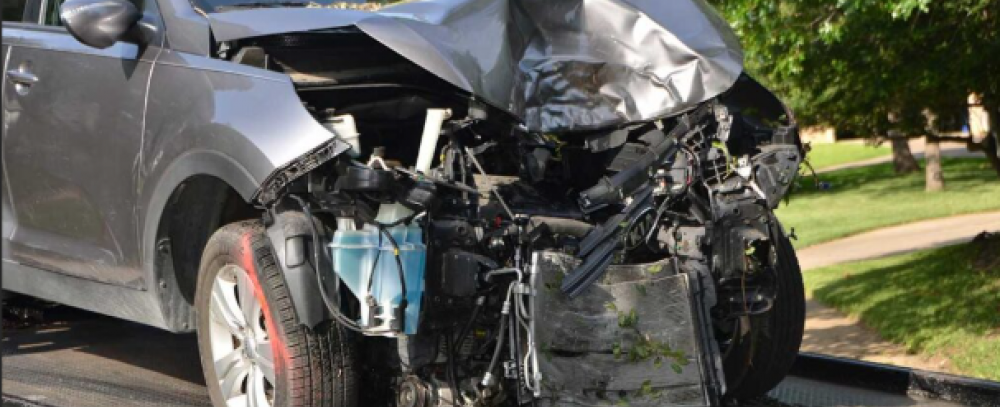
For most people, the condition of the car becomes one of the first practical concerns after the crash. How bad is the damage? Will insurance cover repairs? Is the vehicle worth fixing? Can anything inside the car help show what happened?
These questions matter for more than transportation. The condition of a damaged vehicle can also play an important role in an injury claim, especially when fault is disputed or the crash caused serious injuries.
What Happens to a Vehicle After a Serious Crash
After a major collision, a vehicle is usually towed from the scene and taken to a storage yard, body shop, or insurer-approved facility. At that point, the focus shifts to documenting damage, assessing repair costs, and determining whether the car is repairable.
Common next steps include:
- Initial damage inspection
- Insurance review and valuation
- Repair estimate or total loss determination
- Review of mechanical safety issues
- Retrieval of personal belongings
This process can move quickly. In some cases, vehicles are repaired, sold, or salvaged before the owner fully understands what happened in the crash.
That is one reason why people with serious injuries often benefit from speaking with an experienced car accident injury lawyer early in the process. The damage to the vehicle can provide important evidence that helps support both fault and the seriousness of the injuries involved.
Why Vehicle Damage Can Matter in an Injury Claim
A damaged vehicle is not just property loss. It can help tell the story of the crash.
The point of impact, crush depth, airbag deployment, broken glass, and interior damage can all provide useful information about:
- Speed and force of impact
- Angle of collision
- Whether the driver braked or swerved
- Seat belt use and occupant position
- Potential injury mechanisms
This can become especially important in crashes involving disputed liability, rear-end collisions, commercial vehicles, or severe injuries.
For example, heavy front-end damage may support the force involved in a crash that led to neck, back, or head trauma. Side-impact damage may help explain why someone suffered spinal or orthopedic injuries.
The Risk of Letting Evidence Disappear
One of the biggest mistakes after a serious crash is assuming the vehicle itself no longer matters once photos are taken. In reality, the vehicle can hold important physical evidence that helps explain how the collision happened and how severe the impact was.
That evidence can be lost quickly if the car is repaired too soon, declared salvage and sold, destroyed by an insurer, or moved without proper documentation. Once that happens, details that could help establish fault or support an injury claim may be gone for good.
Modern vehicles can also contain electronic data that helps reconstruct what happened before and during the crash. Depending on the vehicle and the circumstances, that data may show:
- Speed before impact
- Braking activity
- Steering input
- Airbag deployment timing
That information is not always preserved automatically. Acting early can help protect evidence that may become important later.
Property Damage and Injury Claims Are Connected
People sometimes assume the property damage claim and injury claim are completely separate. While they are handled differently, they are often closely connected.
The insurer’s approach to vehicle damage can affect:
- The timeline of the claim
- Access to the vehicle for inspection
- The insurer’s position on fault
- The pressure to accept a quick settlement
A fast repair or total loss payout may feel like progress, but it does not resolve the broader consequences of the crash.
Medical treatment, missed work, pain, and long-term limitations often continue long after the vehicle issue is addressed.
What Insurance Companies Focus On
Insurance companies move quickly after a crash because they want to control information early. Their priorities usually include determining fault, limiting repair costs, closing claims efficiently, and reducing overall financial exposure.
That can create problems for injured drivers who are still seeking treatment or waiting for a full diagnosis. A quick settlement offer may address the visible damage to the vehicle and create the impression that the claim is moving forward, but it can leave out the larger consequences of the crash.
A serious accident can lead to:
- Future medical care and specialist treatment
- Physical therapy or long-term rehabilitation
- Lost wages during recovery
- Reduced earning capacity if returning to work is delayed or limited
- Ongoing pain and changes to daily life
A serious injury claim should reflect the full impact of the crash, not just the cost of replacing the car.
Practical Steps to Take After a Serious Accident
The first days after a crash matter. Even if the vehicle damage is obvious, protecting your health and your claim should come first.
Helpful steps include:
- Getting prompt medical evaluation
- Taking detailed photos of the vehicle and scene
- Requesting a copy of the crash report
- Saving repair estimates and tow records
- Keeping receipts and out-of-pocket costs
- Avoiding recorded statements before understanding your injuries
It is also important to avoid rushing into a property damage resolution if it could affect access to important evidence.
Total Loss Does Not Mean the Claim Is Over
If a vehicle is declared a total loss, that only resolves one part of the situation.
A totaled vehicle does not account for:
- Medical treatment still in progress
- Ongoing pain or recovery limits
- Missed time at work
- Permanent physical changes
- Emotional stress after the crash
People sometimes feel pressure to move on once the car is gone. In reality, serious injury claims are often just beginning at that point.
Why Timing Matters
Every state has deadlines for filing injury claims, and waiting too long can make recovery harder or impossible.
Timing matters because vehicles get repaired, sold, or destroyed. Electronic crash data can be lost. Witnesses become harder to reach. Details that seemed obvious right after the crash can become harder to prove months later.
Acting early helps protect both the physical evidence and the broader facts needed to support a strong claim.
Looking Beyond the Damage You Can See
After a serious crash, it is easy to focus on the visible damage first. The car is damaged, routines are disrupted, and the practical fallout starts immediately.
But the real impact of a crash often extends far beyond the vehicle itself. Injuries, lost time, financial stress, and long-term recovery can affect every part of daily life.
Understanding how vehicle damage fits into the bigger legal picture can help people make better decisions in the aftermath of a crash. Protecting your claim early is not just about paperwork. It is about protecting your ability to recover and move forward.


