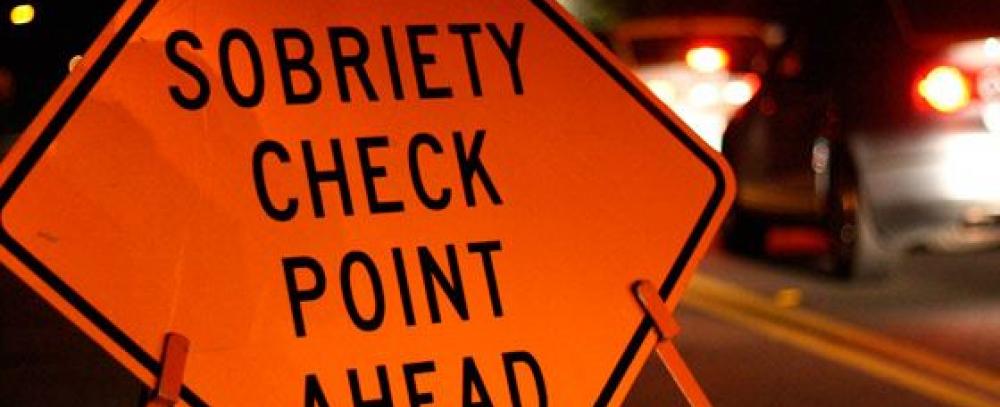
The shame of a DWI arrest is two-fold. Before the humiliation that comes from telling loved ones and employers about your situation and potential charges, there is the factor of the field sobriety test. If you're unfamiliar with the test and how it works, that's where this guide can help. You'll read about the three main components, what's expected, and why it's so hard for sober people to pass DWI field sobriety tests.
What Is the Field Sobriety Test?
The field sobriety test is a series of tests performed by drivers at the roadside when pulled over by the police. For one reason or another, the police suspect the driver of driving while intoxicated. This could be due to their speed, changing lanes too much, running red lights, or other reckless acts. The police have to the right get suspected drunk drivers off the road to protect other motorists and pedestrians. However, rather than just take them to the station for processing, they ask drivers to perform three tests. Those that pass can carry on. Those that fail will be arrested. The problem is that, as you will see from the nature of the tests, they are designed for people to fail.
Test 1) Stand on one leg
This first test measures intoxication through a driver's ability to balance. Drivers must raise their foot to 6 inches from the ground and hold it there for 30 seconds. Their arms must also remain at their sides for the full 30 seconds. The problem with this test is pretty obvious once you try it out for yourself. If you are fit and healthy with great balance and leg strength, you might be able to do this without any problem. However, 30 seconds is longer than you think, especially when you're under pressure from law enforcement to do this test out in public. Therefore, even the most capable person could end up hopping or moving their arms to steady themselves a little. Neither are permitted. You have to remain perfectly steady, and the only person assessing this is the officer responsible for your potential arrest. It's their word against yours. When you put someone with mental challenges or physical restrictions in this situation, the chances of passing diminish further.
Test 2) Walk in straight line
This one measures coordination and mental capacity. Drivers must take nine steps forward on an imaginary line, turn, and do the same on the way back. These steps must be from heel to toe with no gaps and no deviation from the line. Again, the driver's arms must be at their sides. They are also instructed to count the steps aloud. The issue with this test is a similar story as with standing on one leg. Some people simply can't walk like this because it's unnatural and because they don't have the natural coordination and mobility to do so. That doesn't mean they aren't safe behind the wheel of a car! Again, test this one out at home and see how well you do. Can you manage all 9 steps and a perfect turn without hesitation, miscounting, or steading yourself? Even if you can, imagine you're out by the side of the road after a long day. You have the eyes of the officers on you, an elevated heart rate from the stress, and external factors like possible wind and rain. You might have a weakness in one foot from fatigue or inappropriate footwear. The point is, that there are too many variables that make this test easy to fail if you're sober.
Test 3) Vision test
This one is a nystagmus test that watches for involuntary eye movement along a horizontal gaze. Drivers will follow the path of an object with their eyes only, held in front of them by the officer. This could be a finger, a pen, or something similar. There are fewer issues here regarding physical limitations because you only have to do one thing. Even so, it's not always easy if there are distractions and you're feeling anxious about getting pulled over. The cops are looking for involuntary eye movements, so any twitch or failure to track the object perfectly counts. They could write that up as probable intoxication when that isn't true. Also, this one is difficult to verify when used as evidence. As with all these tests, passing or failing is down to the opinion of that one officer. So, you're counting on them to be diligent and to track the motion of your eyes perfectly. There's no guarantee they will do that, especially if they're distracted by other stimuli.
Can You Refuse A Field Sobriety Test?
Surprisingly, many lawyers do advise drivers to refuse to take the field sobriety test, if possible. The reason for this is the risk of inaccurate reports and too much bad evidence against you. If you skip the test and just agree to go to the station instead, there's no official sobriety test report highlighting your lack of sobriety at the scene. You can do this without repercussions, and officers shouldn't insist you take the test before leaving the scene with them. They will, however, ask you to step out of the car and do so as a procedure. The best approach is to remain compliant and polite, say there is no need, and that you'll go to the station anyway. Once charged, you can then call on legal help for a DWI after field sobriety tests to handle the rest of the case.
Find A DWI Lawyer In Texas
Whatever your situation with a DWI charge, you are always entitled to due process, a fair trial, and the best legal aid you can get. The same is true for those who were pulled over for and charged for low BAC levels and those who were knowingly reckless and well over the limit. Obviously, the best legal advice is to avoid DWIs completely and never drive after drinking. But, in case the worst happens. It's comforting to know there are professional lawyers for DWIs ready to go over the case, examine the DWI field sobriety tests, and get a fair result.


